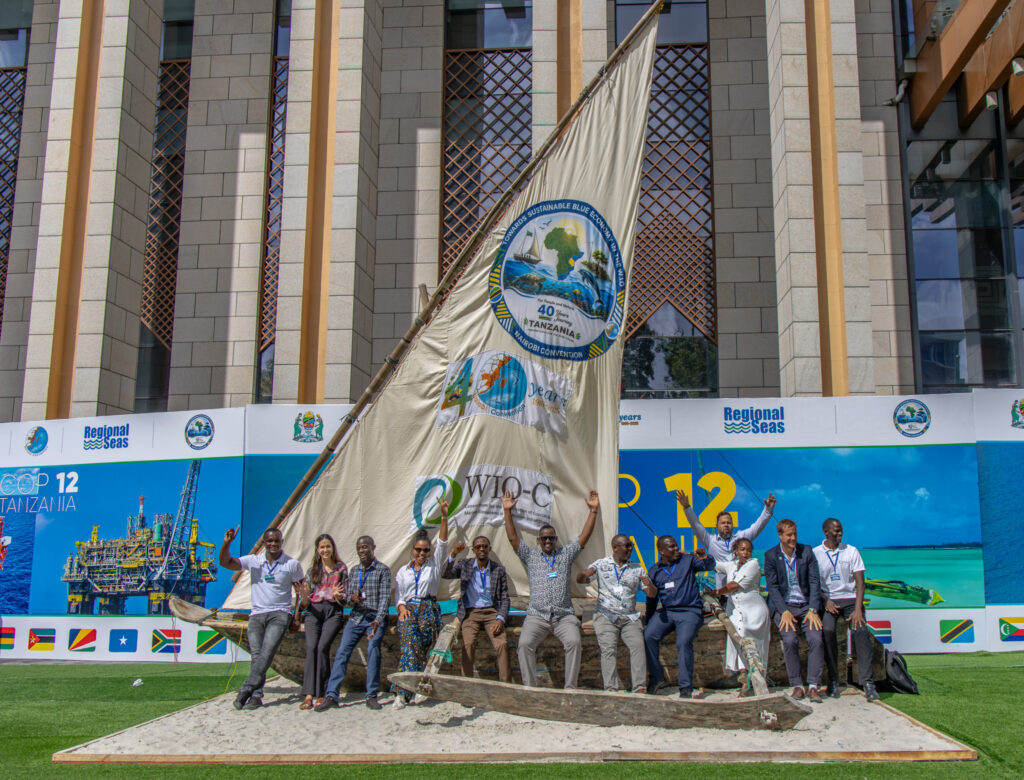

COP 12: Strengthening Regional Cooperation for a Resilient Western Indian Ocean
From mangrove conservation and marine plastic pollution to biodiversity protection and sustainable ocean governance, COP 12 of the Nairobi Convention brought regional stakeholders together to advance collective action for the Western Indian Ocean.
The Western Indian Ocean is home to diverse marine and coastal ecosystems that support biodiversity, sustain livelihoods and contribute to the wellbeing of millions of people. From mangrove forests and coastal wetlands to seagrass beds and marine habitats, these ecosystems provide essential environmental, social and economic benefits. Yet they face growing pressures from climate change, pollution, biodiversity loss and the unsustainable use of natural resources.
Addressing these interconnected challenges requires more than isolated national efforts. It calls for regional cooperation, shared priorities and coordinated action that connects policy, science and conservation practice.
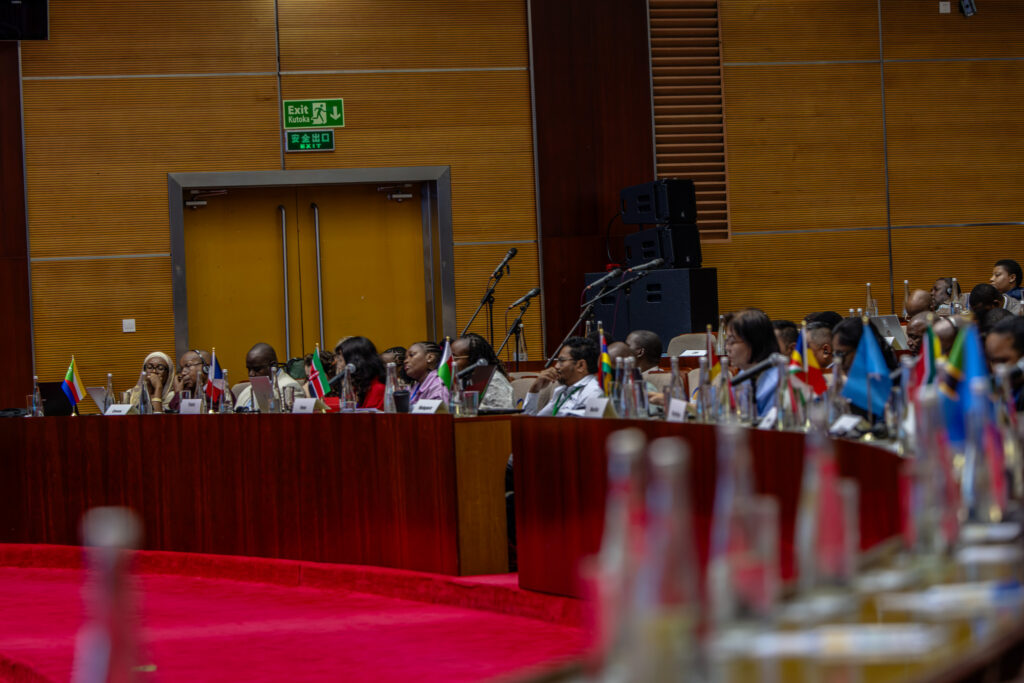
These priorities were central to the 12th Conference of the Parties (COP12) to the Nairobi Convention, held in Dar es Salaam, Tanzania, from 6–9 October 2026. Bringing together governments, regional institutions, conservation organisations and other stakeholders, the conference provided a platform to strengthen regional cooperation and advance action on shared marine and coastal priorities.
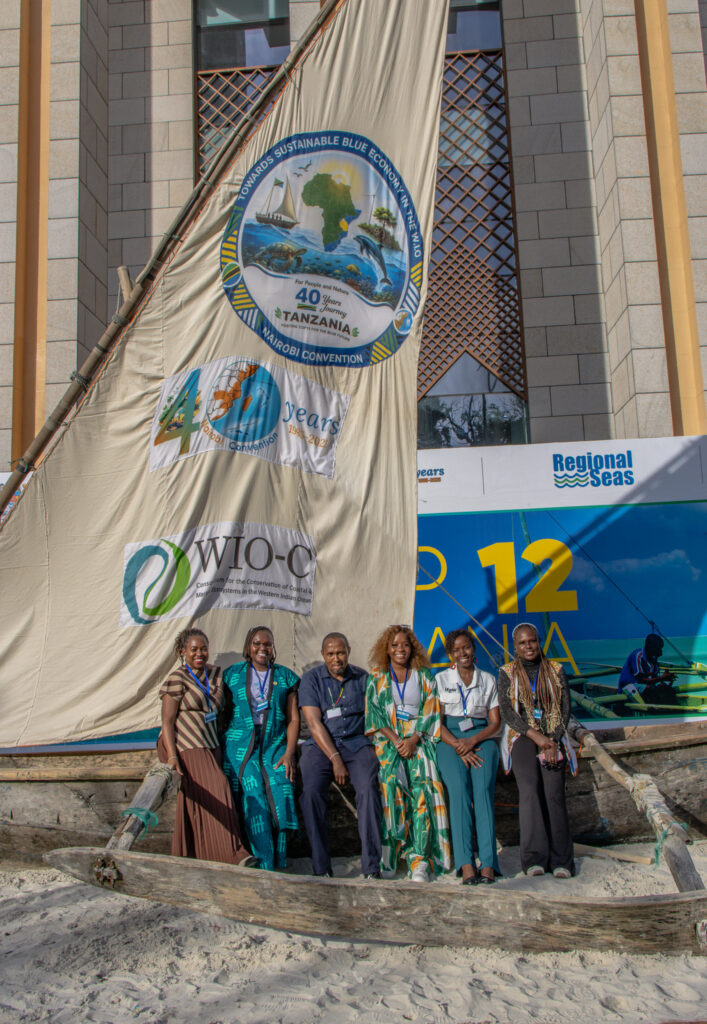
Marking 40 years of regional cooperation under the Nairobi Convention, COP12 brought together discussions on marine and coastal biodiversity, climate change, ocean governance, marine pollution and the sustainable blue economy. Across these themes, a common challenge emerged: how to translate regional commitments into practical, coordinated action that delivers lasting benefits for coastal ecosystems and the communities that depend on them.
For Wetlands International Eastern Africa, these discussions connected closely with ongoing work across the region, from mangrove conservation and restoration in the Lamu–Tana Seascape in Kenya, one of our flagship landscapes, and the Rufiji Delta in Tanzania, to strengthening locally led restoration and advancing regional collaboration on marine plastic pollution.
Turning regional mangrove commitments into local action
Mangroves are among the most productive coastal ecosystems in the Western Indian Ocean. They provide important habitats for biodiversity, support fisheries and other livelihoods, protect coastlines and store carbon. However, their conservation depends on effective management, ecological restoration and the meaningful involvement of the communities who rely on them.
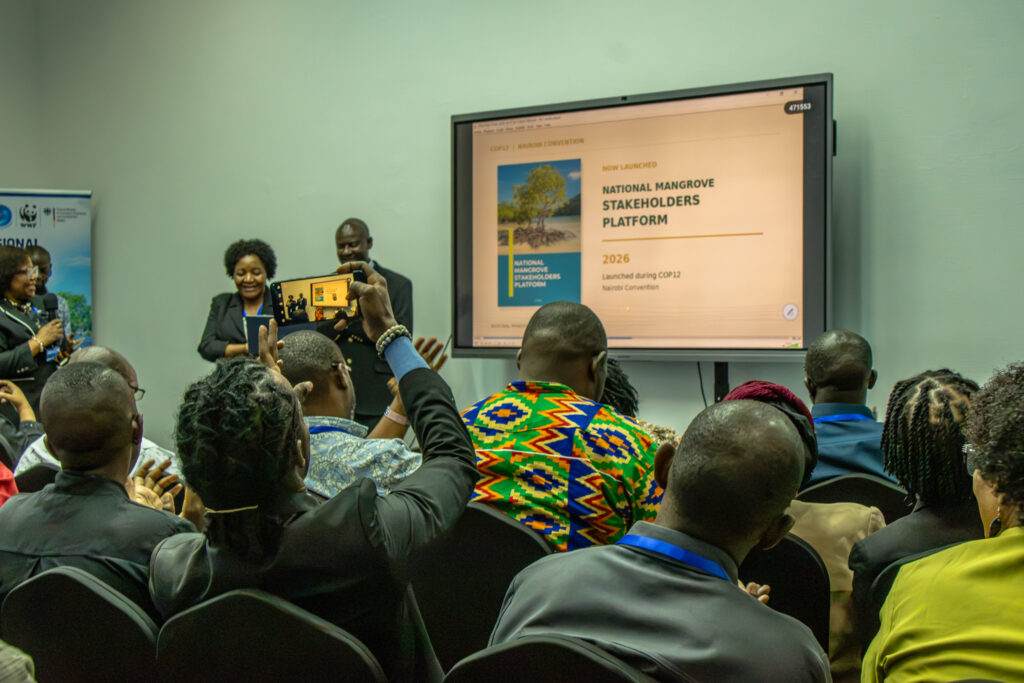
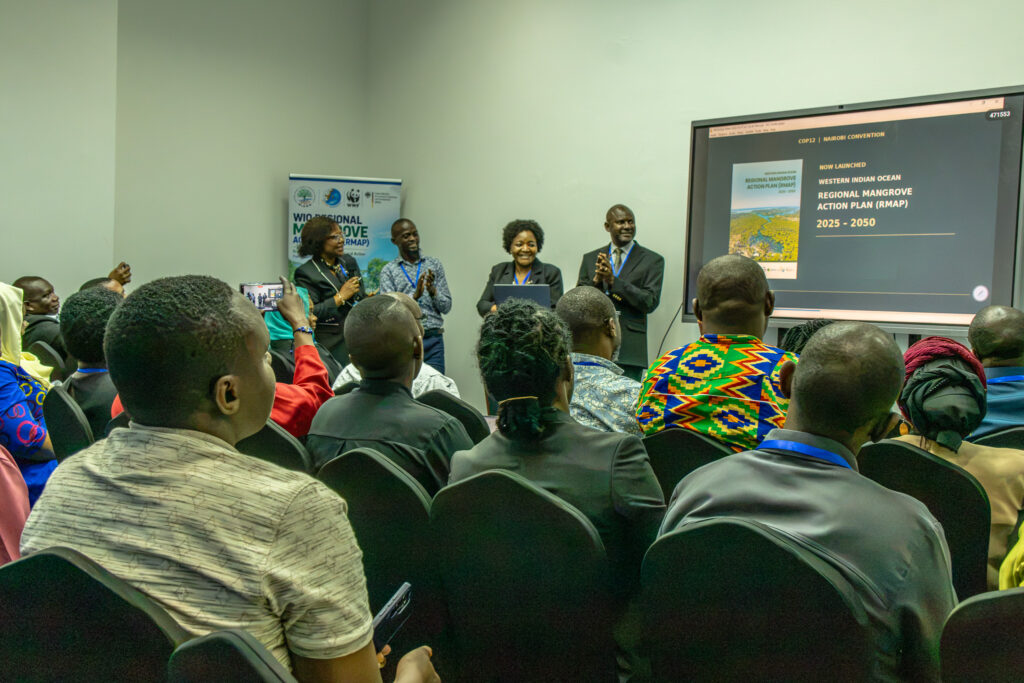
On 7 October, the side event “WIO Mangroves: From Regional Commitment to Local Action for People, Nature and Climate” brought stakeholders together to discuss how regional commitments can translate into practical action on the ground.
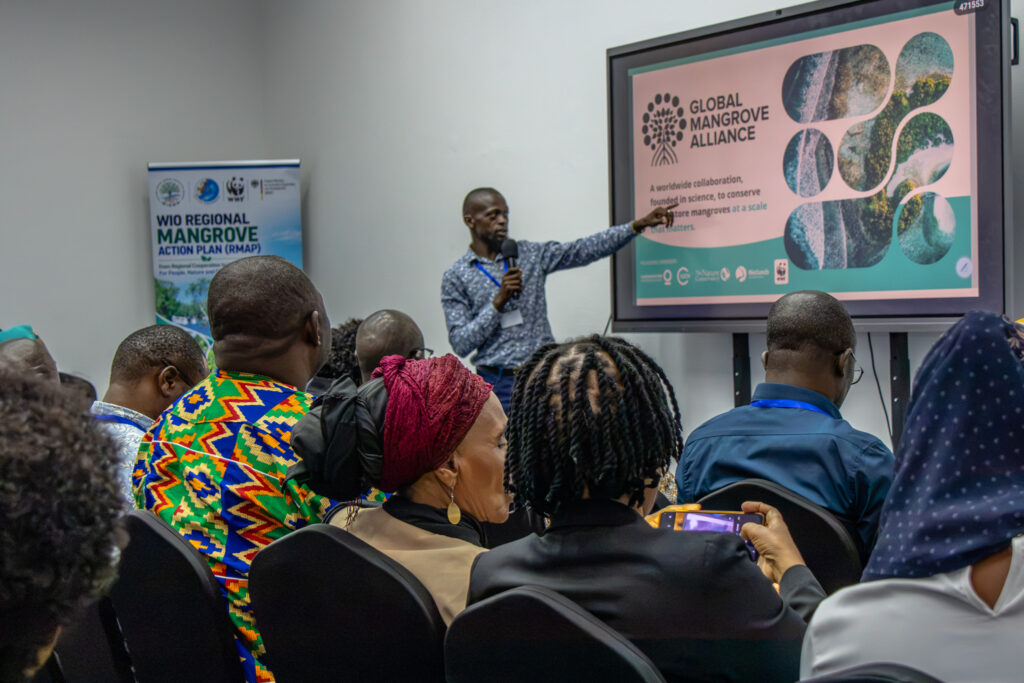
The discussions explored the role of monitoring tools such as Global Mangrove Watch, and the importance of strengthening national and local action. The event also featured the launch of the Regional Mangrove Action Plan (RMAP) and the Tanzania Mangrove Stakeholders Forum, providing important opportunities to strengthen coordination and advance mangrove conservation and restoration. Discussions further highlighted the importance of linking mangrove conservation with climate action, sustainable livelihoods, local knowledge and the meaningful participation of women and young people.
These priorities reflect the approach underpinning Wetlands International Eastern Africa’s work through Mangrove Capital Africa (MCA), an initiative supporting mangrove conservation and restoration for people and nature. Across Kenya’s Lamu–Tana Seascape and Tanzania’s Rufiji Delta, the programme works with communities, government institutions and other partners to strengthen mangrove management, advance ecological restoration and support sustainable livelihoods.
In Kenya, this work also aligns with national climate commitments. The Blue Carbon Ecosystems Nationally Determined Contributions (NDC) Implementation and Investment Plan (2025–2035), launched in June 2026, recognises the role of mangroves, seagrass meadows and other coastal wetlands in climate action. Protecting and restoring these ecosystems can contribute to climate mitigation and coastal resilience while supporting the livelihoods of coastal communities.
In the Lamu–Tana Seascape, Wetlands International Eastern Africa works with partners and community forest associations to apply effective, ecologically informed mangrove restoration practices, strengthen community capacity and promote sustainable livelihood opportunities, including mangrove-based beekeeping. In Tanzania’s Rufiji Delta, efforts include supporting the Rufiji Delta Landscape Strategy, advancing ecological restoration approaches and strengthening collaboration among communities, government authorities and research institutions.
The launch of the Tanzania Mangrove Stakeholders Forum reflects the importance of bringing stakeholders together to coordinate efforts, exchange knowledge and strengthen mangrove conservation. A similar emphasis on collaboration and shared learning underpins the work of the Global Mangrove Alliance (GMA) Kenya Chapter, which provides a platform for stakeholders to work towards shared mangrove conservation and restoration goals.
One initiative emerging from this collaborative space is the Mangrove Champions Initiative, led by Wetlands International Eastern Africa and the GMA Kenya Chapter. The initiative advances locally led mangrove restoration by connecting practitioners, scientists, government representatives and communities through opportunities for exchange and practical, field-based learning.
At the heart of the initiative is the Mangrove Champions expedition model. Through visits to different mangrove landscapes, engagement with local communities and interactions with restoration practitioners, participants learn from the approaches being applied on the ground, discuss shared challenges and exchange experiences that can inform restoration practice. The model recognises that valuable knowledge comes from different sources, including community experience, scientific expertise and the practical work of those involved in restoration.
By connecting people working across different landscapes, the expeditions help build relationships, encourage the exchange of locally relevant solutions and strengthen a wider community of practice. They also create space to reflect on what effective mangrove restoration requires, from understanding local ecological conditions and applying appropriate restoration methods to supporting sustained management and meaningful community participation.
Together, these examples demonstrate why stakeholder platforms and peer-learning initiatives matter. While platforms such as the Tanzania Mangrove Stakeholders Forum create space for coordination and collective action, initiatives such as Mangrove Champions help translate shared priorities into practical learning and stronger connections among the people working to conserve and restore mangroves.
Beyond mangroves, seagrass conservation also featured in the COP12 discussions. On 9 October, the launch of Seagrasses in the Western Indian Ocean: A Regional Synthesis of Knowledge, Evidence Gaps and Priorities for Conservation and Management brought together regional evidence from ten country reports to inform conservation priorities and support implementation of the Western Indian Ocean Regional Seagrass Strategy 2026–2030. The launch highlighted the importance of sound scientific evidence in guiding regional cooperation and action to protect coastal and marine ecosystems.
Tackling marine plastic pollution through regional cooperation
Marine plastic pollution remains a significant challenge for the Western Indian Ocean, affecting coastal ecosystems, biodiversity, livelihoods and the sustainable use of marine resources. Addressing it requires action across the full chain of plastic production, use, collection, management and disposal, alongside cooperation between countries.
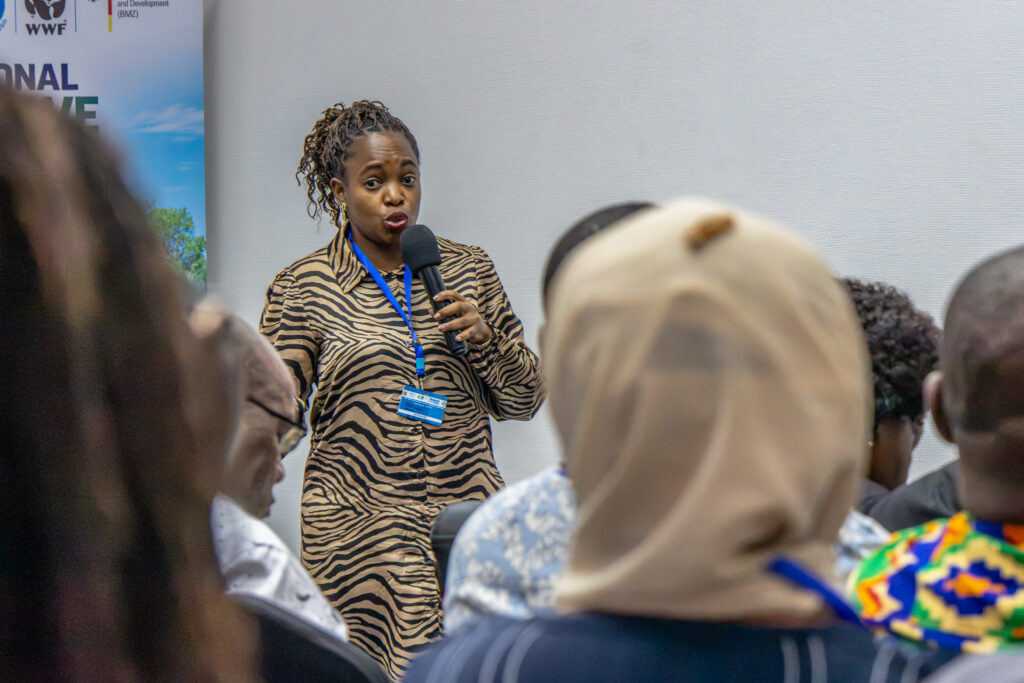
On 8 October, the side event “Who Pays, Who Acts, Who Benefits: Charting the Western Indian Ocean’s Roadmap to Combat Marine Plastic Pollution” brought stakeholders together to discuss regional responses to marine plastic pollution. The discussions explored the global plastics treaty negotiations, the development of a Regional Plastics and Associated Chemicals Strategy, and the policies, financing arrangements and implementation measures needed to address pollution across the region.
Wetlands International Eastern Africa’s Regional Programme Manager, Louisa Chinyavu, moderated the session. Louisa also introduced the work of the Western Indian Ocean Coastal Challenge (WIO-C) Plastics Working Group, outlining its role in supporting regional coordination and advancing collaboration on marine plastic pollution.
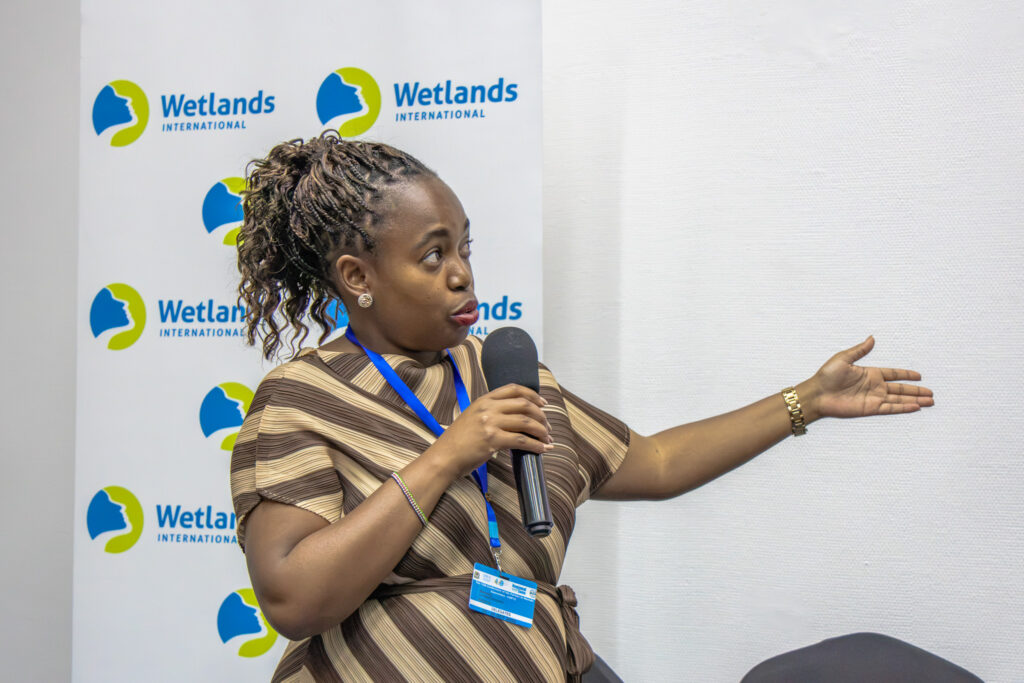
Reflecting on the value of such engagements, Louisa raised a question that often comes up around conferences and side events: what happens after the dialogue? She observed that without continued engagement, momentum around important issues can easily fade. Side events therefore offer opportunities to keep discussions alive, advance ongoing work, contribute to shared priorities and connect with other actors working in the same space.
This perspective speaks to the wider purpose of regional cooperation. The working group, formed during the WIO-C annual meeting in March 2025, provides a platform for continued engagement on marine plastic pollution, including regional policy processes and the development of the Regional Plastics and Associated Chemicals Strategy.
The discussions at COP12 highlighted the importance of sustaining this momentum beyond individual events. Progress requires continued collaboration, clear responsibilities, adequate financing and effective implementation at national and regional levels. For the Western Indian Ocean, maintaining these connections is essential to turning dialogue into coordinated action against marine plastic pollution.
Connecting healthy ecosystems with livelihoods and the blue economy
Throughout COP12, the relationship between healthy ecosystems, coastal livelihoods and the sustainable blue economy remained an important consideration.
Mangroves, seagrass beds and other coastal wetlands provide ecological benefits while supporting activities such as fisheries and other forms of resource use. Their degradation can therefore affect both biodiversity and the economic wellbeing of coastal communities.
Wetlands International Eastern Africa’s work seeks to connect ecosystem conservation and restoration with the sustainable use of natural resources. In the Lamu, for example, mangrove-based beekeeping offers a way to explore livelihood opportunities alongside conservation efforts. In the Rufiji Delta, community participation and improved management are central to efforts to safeguard and restore mangrove ecosystems.
These approaches highlight the importance of considering both people and nature in coastal management. Conservation measures are more likely to be sustained when communities can participate in decision-making, contribute their knowledge and see how healthy ecosystems support their livelihoods.
At the regional level, cooperation can help create the conditions for these approaches to be strengthened and replicated where appropriate. At the local level, implementation must remain responsive to the ecological characteristics, livelihood needs and priorities of each landscape.
From dialogue to implementation
COP12 provided an important opportunity to review regional priorities and strengthen cooperation on the conservation and sustainable management of marine and coastal ecosystems in the Western Indian Ocean. Discussions on mangroves, climate action and marine plastic pollution demonstrated the interconnected nature of the challenges facing the region and the need for coordinated responses.
For Wetlands International Eastern Africa, the value of these regional processes lies in their connection to action on the ground. Regional frameworks can guide shared priorities, support collaboration and create opportunities for learning. Their impact, however, depends on implementation through national policies, effective partnerships, sustained financing and the active participation of communities.
From mangrove conservation and restoration in the Lamu–Tana Seascape and Rufiji Delta to knowledge exchange through the Mangrove Champions Initiative and regional collaboration on plastic pollution, this work reflects the importance of connecting policy commitments with practical solutions.
The Western Indian Ocean’s coastal ecosystems face complex and interconnected pressures. Addressing them will require continued cooperation across countries and sectors, informed decision-making and approaches that recognise the relationship between healthy ecosystems and thriving communities.
Ultimately, moving from regional commitments to local action means ensuring that cooperation leads to tangible progress for people, nature and climate.