
Coastal Wetlands at the Centre of the Ocean Agenda
-
Coastal resilience
-
Coastal wetland conservation
-
Vibrant Coasts and Deltas
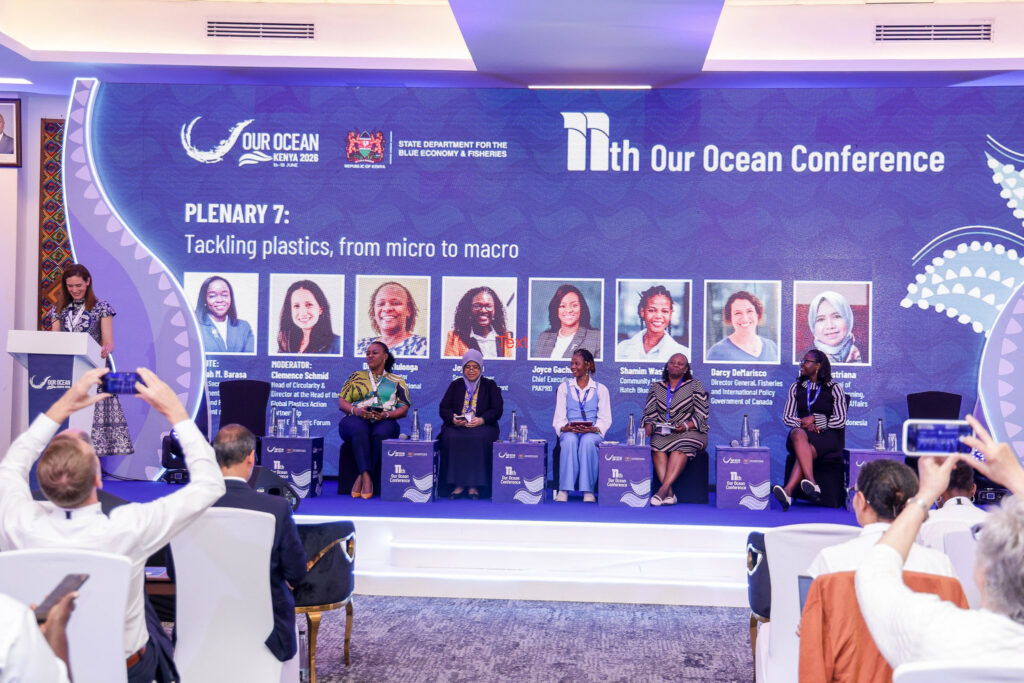
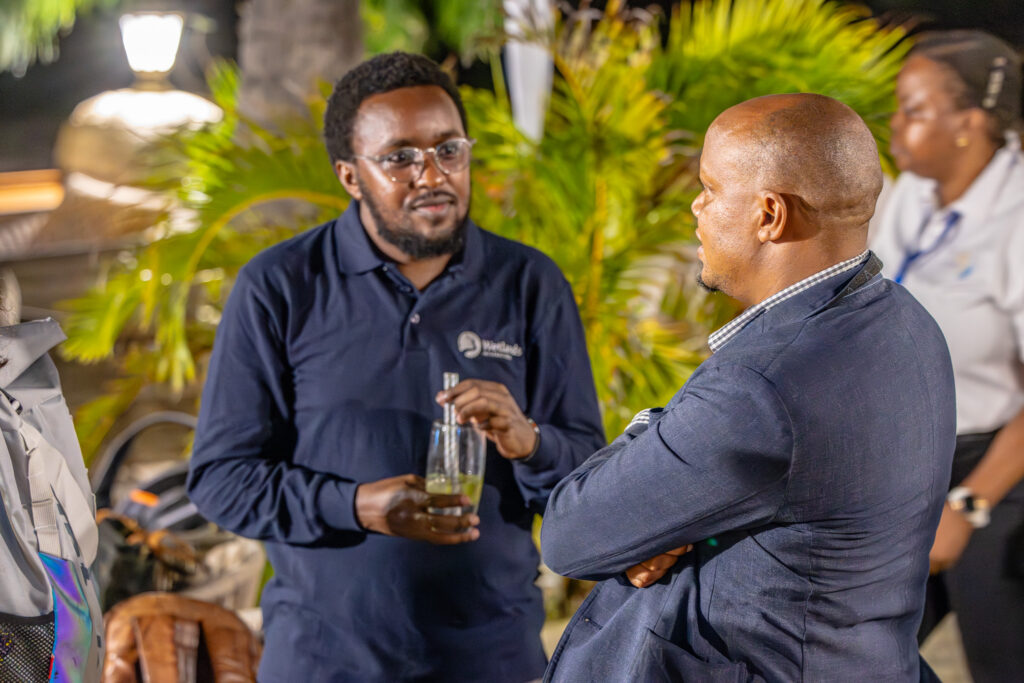
Before the opening plenary, before the ministerial statements and headline commitments, conversations were already taking shape.
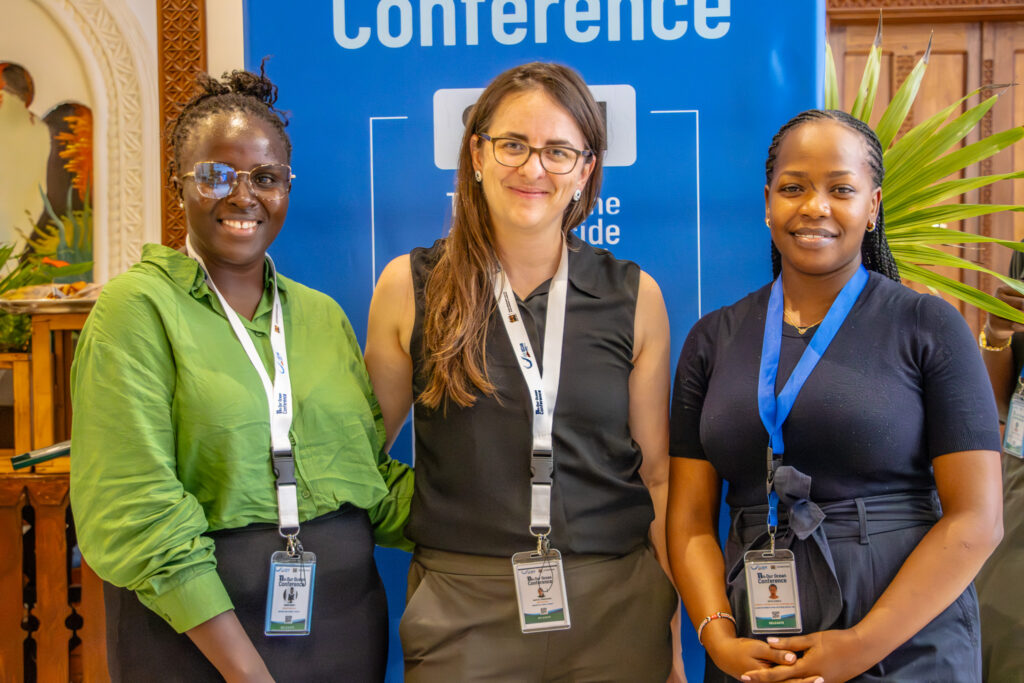
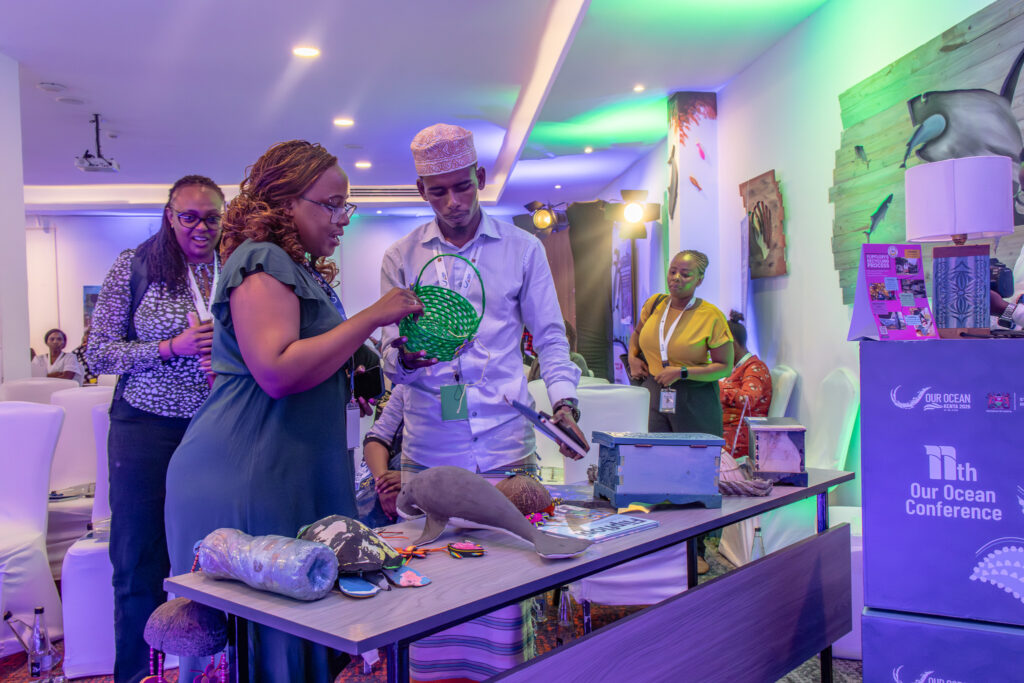
They unfolded over coffee between delegates meeting for the first time, around exhibition spaces showcasing restoration initiatives from across the world, and during side events where practitioners compared experiences from coastlines thousands of kilometres apart. By the time the 11th Our Ocean Conference (OOC11) officially opened in Mombasa, the significance of the moment was already evident.
As the first African country to host the conference, Kenya provided an important backdrop for conversations that increasingly reflected the priorities, experiences and ambitions of the Western Indian Ocean (WIO). For a region whose coastlines support globally significant mangrove forests, seagrass meadows, coral reefs and millions of people who depend on healthy marine ecosystems, the conference offered an opportunity to move beyond describing challenges and instead focus on solutions that are already taking shape.
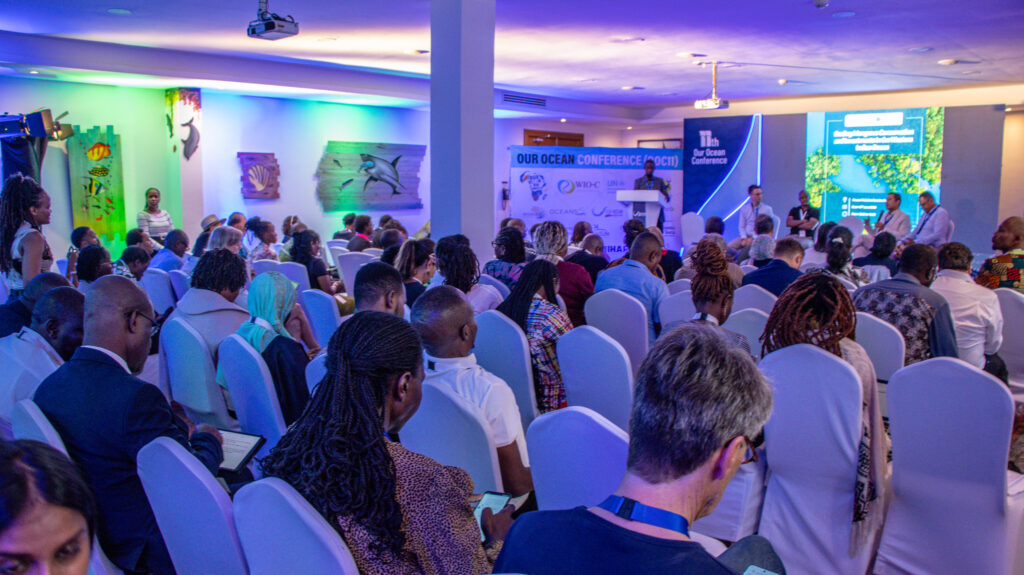
Across four days, discussions ranged from marine biodiversity and ocean governance to sustainable fisheries, marine pollution, blue finance and climate resilience. While each session explored a different aspect of ocean conservation, the same themes surfaced repeatedly. Protecting coastal ecosystems requires stronger partnerships. Conservation cannot succeed without the people who live alongside these ecosystems. And scaling impact will depend on connecting science, policy and investment in ways that support action on the ground.
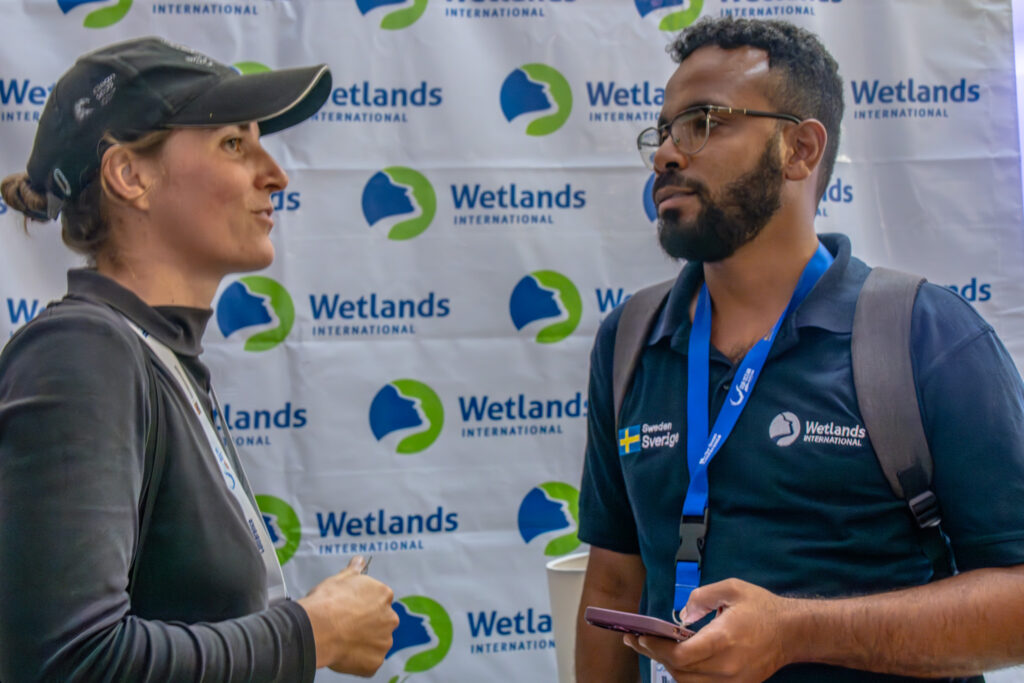
For Wetlands International, OOC11 was an opportunity to contribute to these conversations while strengthening partnerships that will continue long after delegates left Mombasa. Throughout the week, the organisation participated in discussions that explored how coastal wetlands can support climate resilience, biodiversity, food security and sustainable livelihoods, while convening sessions that challenged participants to think differently about conservation finance, community stewardship and collaboration across the Western Indian Ocean.
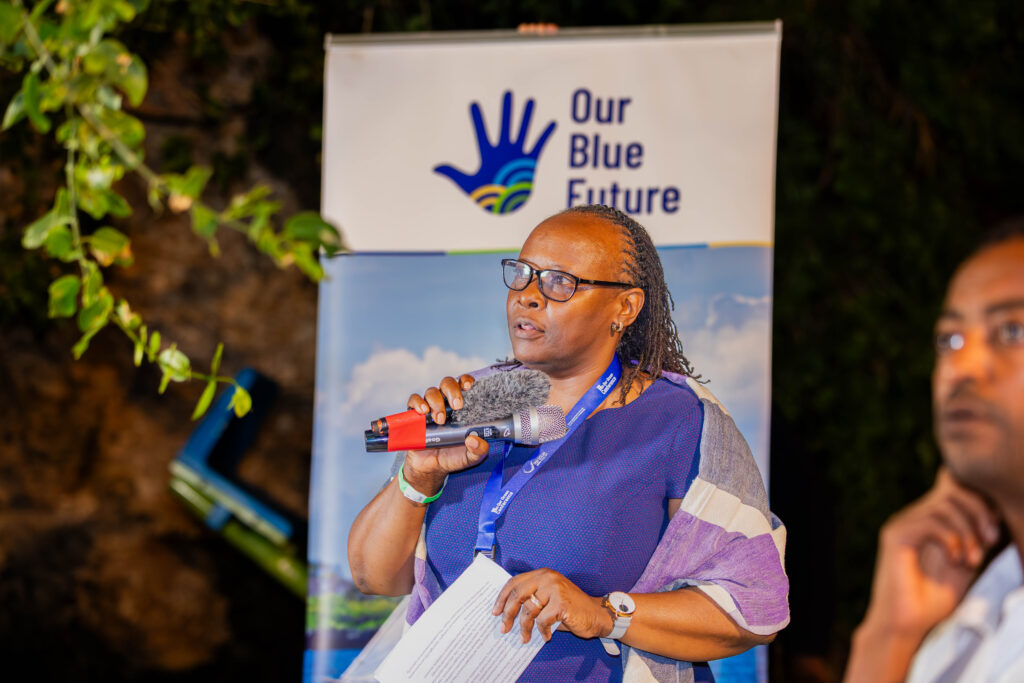
Even before the official opening, conversations were already turning towards implementation.
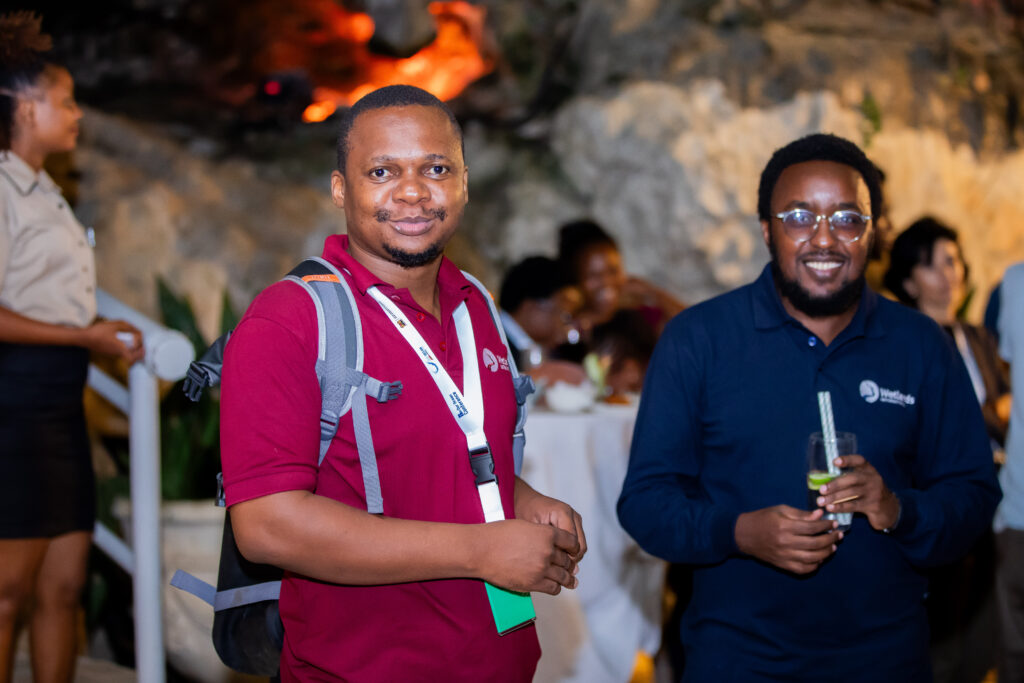
Together with SWIOP-Invest, A.P. Moller – Maersk and partners, Wetlands International co-hosted Blue Connections: Networking Session to Catalyse New Opportunities, bringing together investors, blue economy enterprises, conservation organisations, development partners and sustainability leaders attending the Our Ocean Conference Business Forum.
Unlike a formal conference session, Blue Connections created space for open conversations around shared opportunities and common challenges. Participants reflected on what it will take to mobilise greater investment for coastal resilience, strengthen partnerships between conservation and finance, and create enabling environments for sustainable blue economy enterprises across the region.
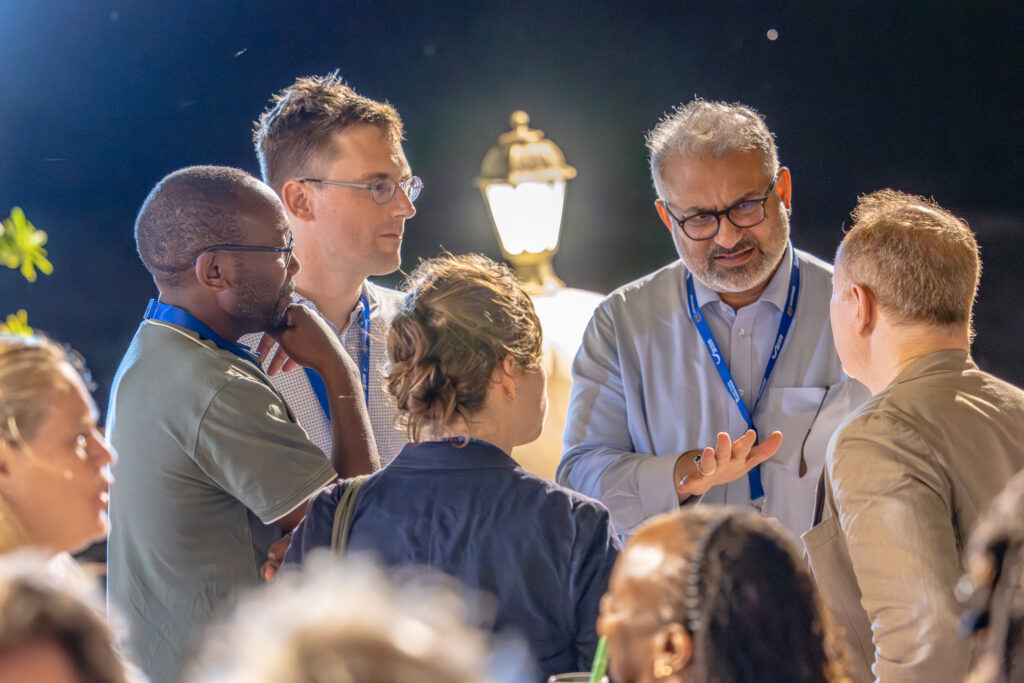
Many of the themes that emerged during the networking session would continue throughout the conference. How do we move beyond successful pilot projects? How do we attract investment without losing sight of conservation outcomes? And how do we ensure that coastal communities remain at the centre of the transition towards a sustainable blue economy?
These were questions without simple answers, but they framed much of what followed over the next four days.
A region increasingly shaping the conversation
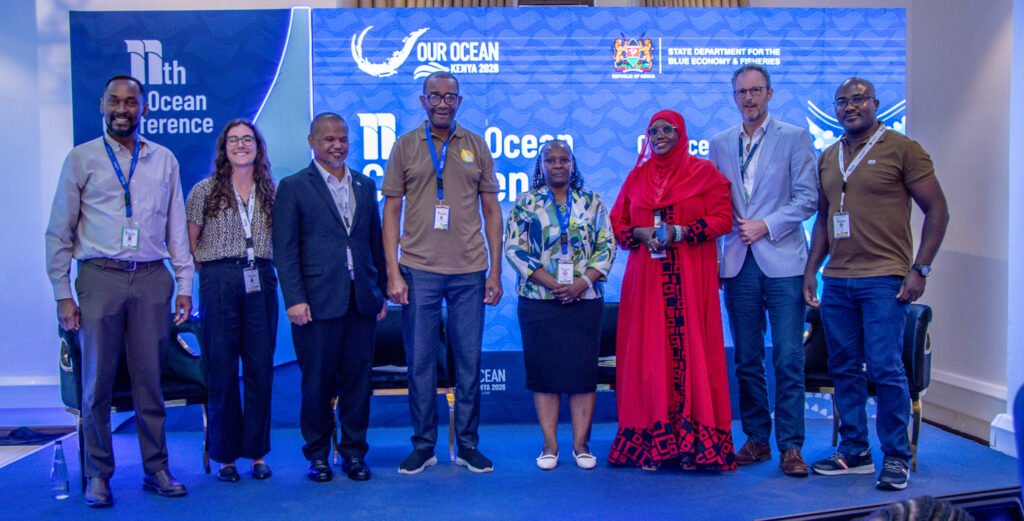
One of the strongest impressions from OOC11 was the prominence of the Western Indian Ocean in discussions about the future of ocean conservation.
Rather than focusing solely on the pressures facing the region, conversations highlighted the experience, partnerships and practical approaches already emerging across Eastern Africa and the wider Indian Ocean. Governments shared progress on marine spatial planning, blue economy strategies and ecosystem restoration. Researchers presented new evidence to strengthen decision-making. Community representatives spoke about locally led conservation, while development partners explored new approaches to financing nature-based solutions.
The Western Indian Ocean Pavilion became an important meeting point throughout the conference, bringing together organisations working across conservation, research, policy and finance. Although discussions covered a wide range of topics—from marine protected areas and plastic pollution to blue carbon and sustainable fisheries—they consistently pointed towards a shared conclusion: achieving healthier oceans requires stronger regional cooperation and long-term partnerships.
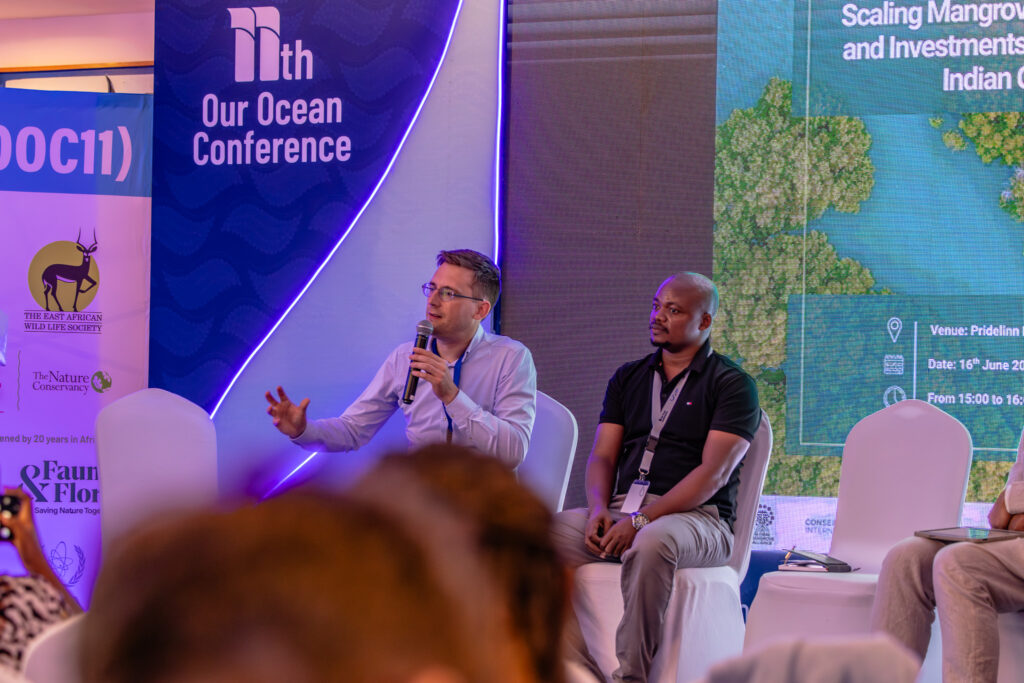
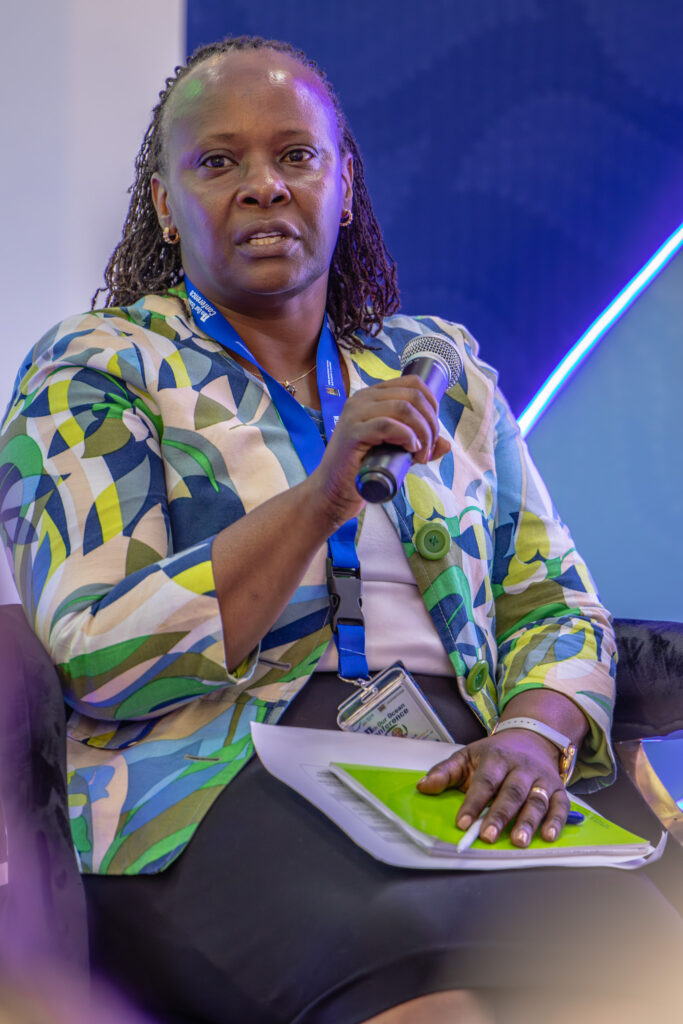
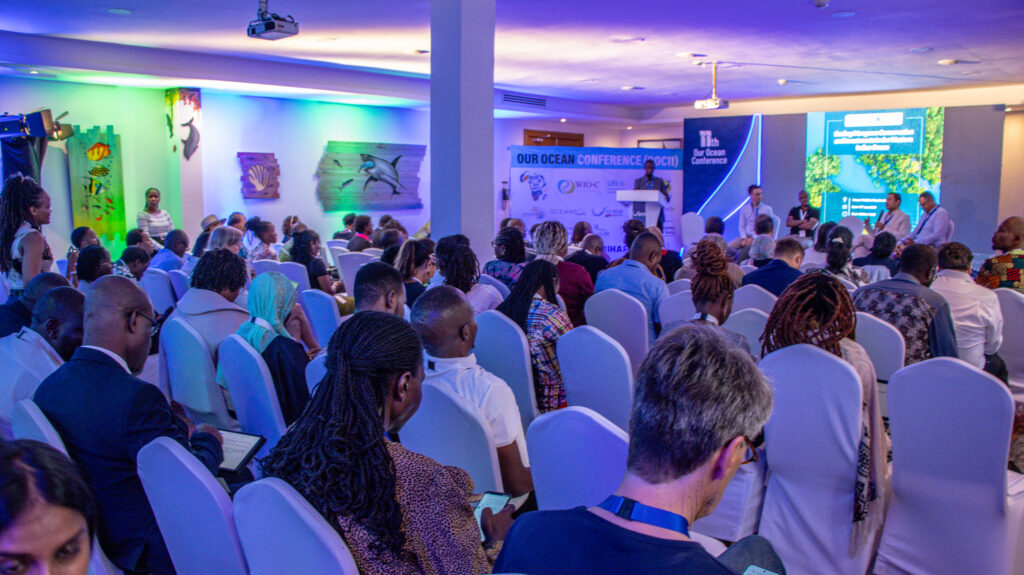
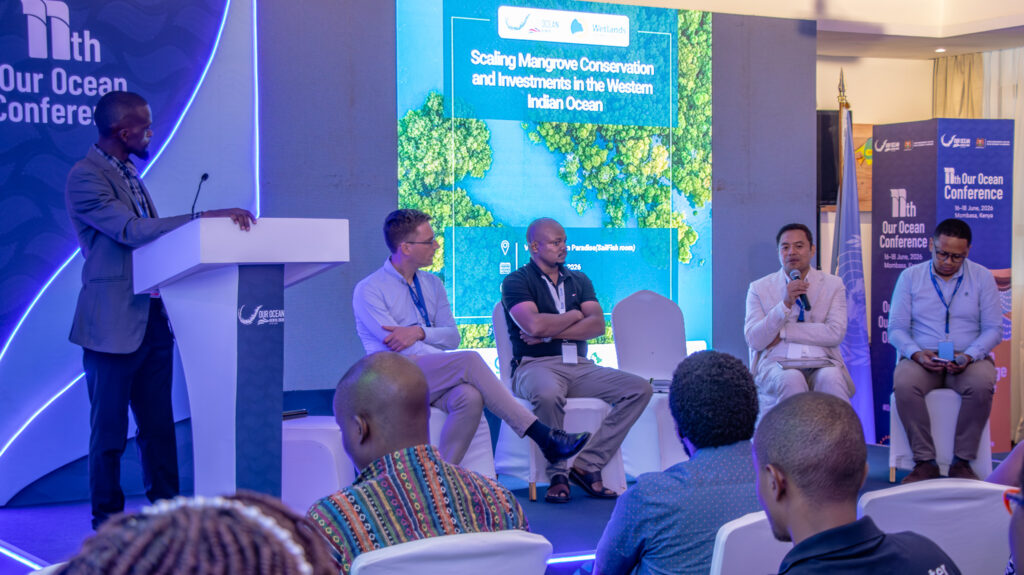
That spirit of collaboration also shaped Wetlands International Eastern Africa’s session, Scaling Mangrove Conservation, Community Stewardship and Blue Economy Investments in the Western Indian Ocean, convened together with the Global Mangrove Alliance Kenya Chapter, IUCN, WWF and The Nature Conservancy.
The discussion moved beyond questions of why mangroves matter. Instead, it explored what will be needed to scale conservation across the region. Participants reflected on strengthening policy coherence, improving coordination between conservation and finance, creating enabling environments for investment and ensuring that communities remain central to conservation planning and implementation.
Running through the discussion was a simple but important message: conserving mangroves is not only about restoring ecosystems. It is about strengthening the relationships between people, policy, science and investment that make long-term conservation possible.
Rethinking how conservation is financed
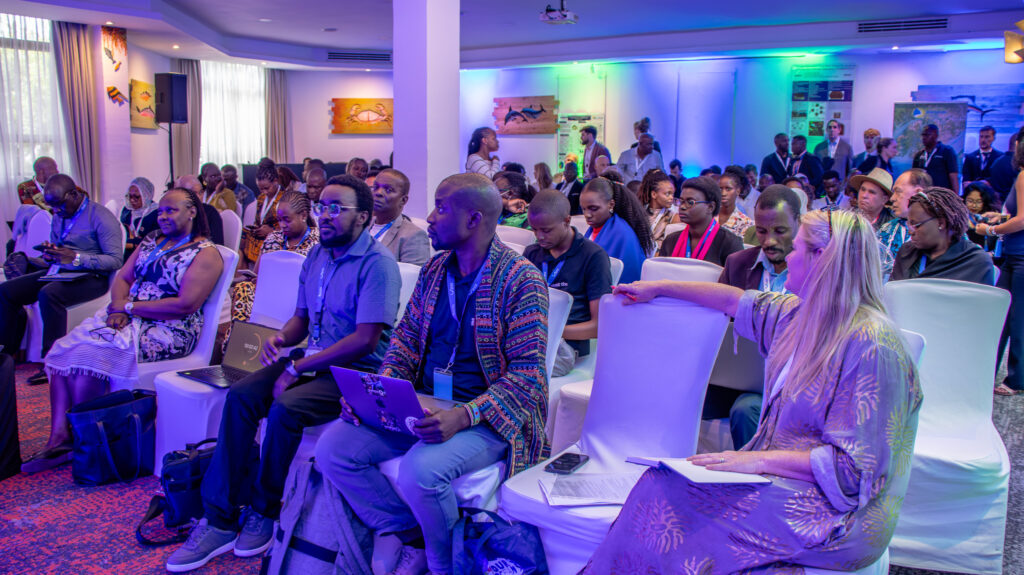
If there was one issue that connected conversations throughout OOC11, it was finance.
Whether discussions focused on blue carbon, ecosystem restoration, marine protected areas or sustainable fisheries, participants repeatedly returned to the same question: how do we finance conservation at the scale the ocean now requires?
The challenge was not presented as a lack of ideas. Across the conference, examples of successful restoration, community stewardship and locally led conservation were easy to find. The greater challenge lay in creating financing mechanisms capable of supporting those efforts beyond short-term project cycles.
This conversation was central to Wetlands International’s mangrove session, where participants examined the different financial needs within conservation. Activities such as ecosystem monitoring, restoration and community stewardship often require sustained grant funding, while sustainable enterprises linked to healthy coastal ecosystems—including fisheries, ecotourism and blue economy businesses—may be better suited to blended finance or private investment.
Rather than expecting every conservation initiative to become commercially viable, the discussion recognised that different interventions require different forms of support. The goal is not to fit conservation into existing financial models, but to develop financing approaches that reflect the realities of protecting and restoring ecosystems.
That distinction was captured during the discussion by Santatra Razafindratsimba:
“Finance is a tool that enables us to achieve conservation goals. The focus should be on understanding the challenge, identifying the financing gap, and bringing the right partners together.”
His observation resonated well beyond the session itself. Throughout the week, finance was increasingly discussed not as an objective, but as an enabler—one that should strengthen conservation outcomes, support coastal livelihoods and create the conditions for long-term stewardship rather than short-term intervention.
From ambition to implementation
The discussions around finance naturally led to another topic that featured prominently throughout the week: blue carbon.
Blue carbon has long been recognised for its role in climate mitigation, but at OOC11 the conversation had clearly evolved. Rather than focusing solely on the science, discussions explored how mangroves and seagrasses can be integrated into national planning, attract investment and support resilient coastal economies. Increasingly, the question was no longer why blue carbon matters, but how countries can translate ambition into implementation.
That shift was reflected in the launch of Kenya’s Blue Carbon Ecosystems Nationally Determined Contributions (NDC) Implementation and Investment Plan (2025–2035). Bringing together government, development partners and conservation organisations, the launch marked an important step towards embedding blue carbon ecosystems within national climate commitments. The plan sets out a pathway for protecting and restoring mangroves and seagrasses while strengthening climate resilience, supporting livelihoods and mobilising investment for long-term conservation.
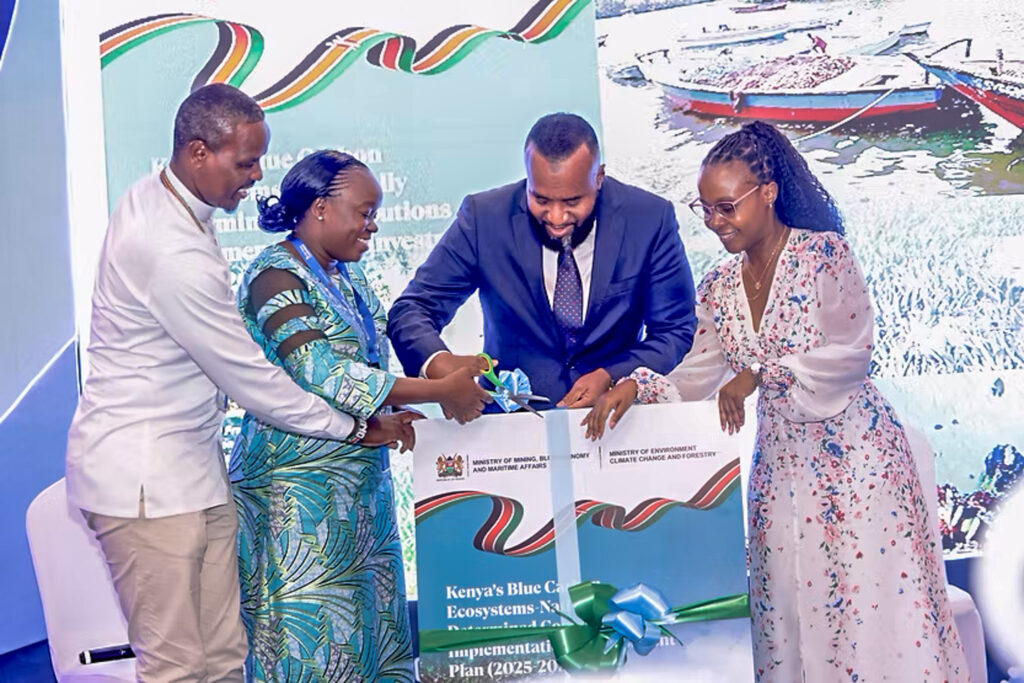
For organisations working across coastal wetlands, it was a reminder that healthy ecosystems are increasingly being recognised not only for the services they provide, but also for their contribution to national development priorities. Discussions throughout the conference reinforced the importance of aligning science, policy and finance so that restoration efforts are supported by the governance and investment needed to sustain them over time.
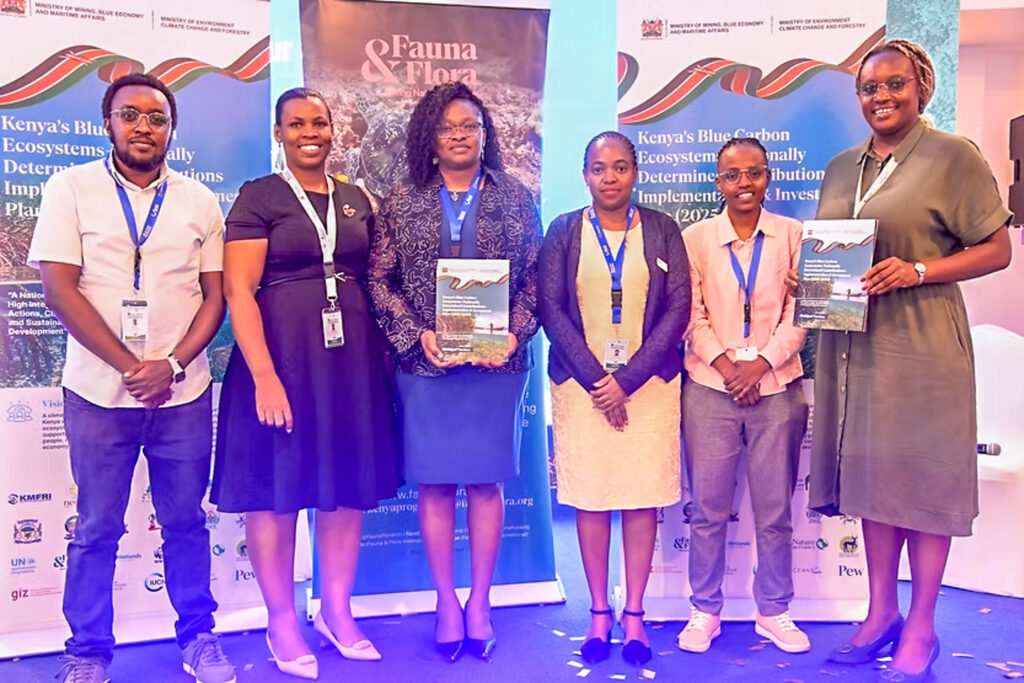
Alongside national initiatives, regional and global partnerships also announced new opportunities to accelerate action. Commitments under the Mangrove Breakthrough Initiative and the Blue Carbon Plus Initiative signalled growing momentum to mobilise investment for community-led conservation, restoration and sustainable blue economy enterprises across the Western Indian Ocean. While these announcements differed in scope, they reflected a shared understanding that scaling conservation will require both public and private investment, supported by strong partnerships and clear policy direction.
Communities at the heart of conservation
While finance and policy featured prominently throughout OOC11, another message carried equal weight: conservation is strongest when it is rooted in community leadership.
This was evident across discussions on mangrove restoration, fisheries management, marine protected areas and plastic pollution. Again and again, speakers challenged the idea of communities as beneficiaries of conservation projects. Instead, they spoke about local people as knowledge holders, decision-makers and long-term custodians of the ecosystems they depend on.
This perspective was particularly evident during Wetlands International’s session on scaling mangrove conservation, where participants reflected on the role of community stewardship in sustaining restoration efforts long after individual projects come to an end. Conversations explored how strengthening local leadership, recognising traditional knowledge and creating sustainable livelihood opportunities are all essential to building lasting ownership of conservation initiatives.
Mangrove Champion and community representative Rassam Mansur captured this shift in perspective:
“Conservation becomes sustainable when communities are not only beneficiaries, but are recognised as custodians, decision-makers, and leaders in protecting the ecosystems they depend on. When conservation initiatives are not rooted in community needs and realities, ownership is weakened; restoration risks becoming just a short-term job created by external projects rather than a lasting duty of care. True impact comes when communities are empowered to drive, sustain, and benefit from conservation efforts.”
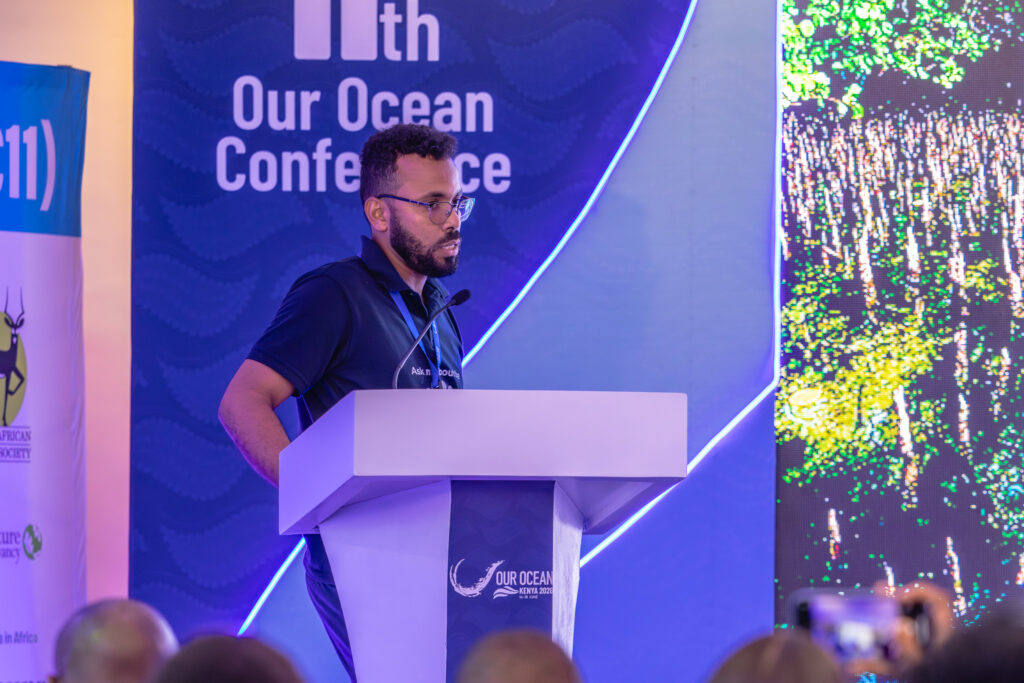
His remarks reflected a theme that extended well beyond a single session. Throughout OOC11, community stewardship was consistently recognised as fundamental to achieving lasting conservation outcomes. Whether discussions centred on mangrove restoration, blue carbon, fisheries or marine governance, the direction of travel was clear: durable conservation depends on building partnerships that place communities at the centre of planning, implementation and long-term stewardship.
Local solutions to marine plastic pollution
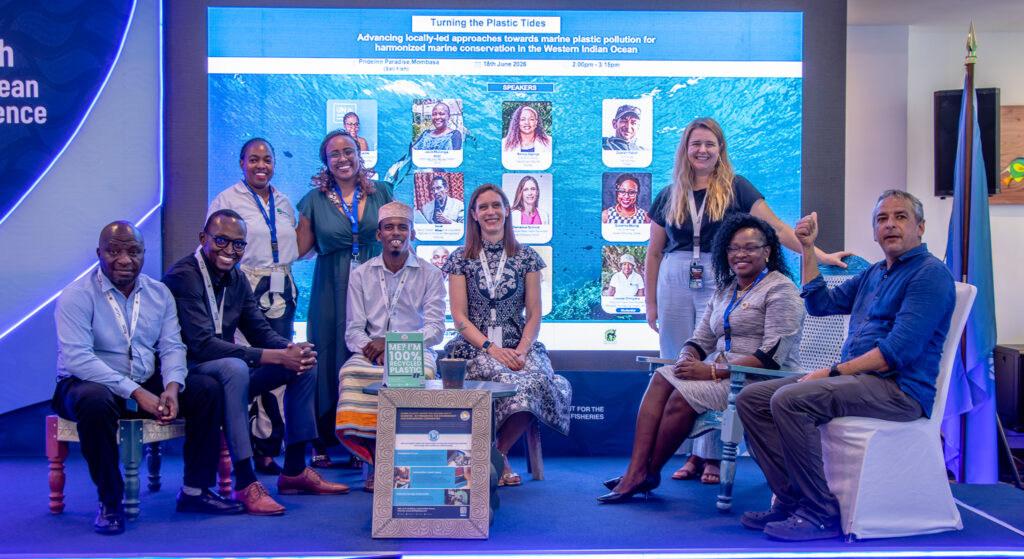
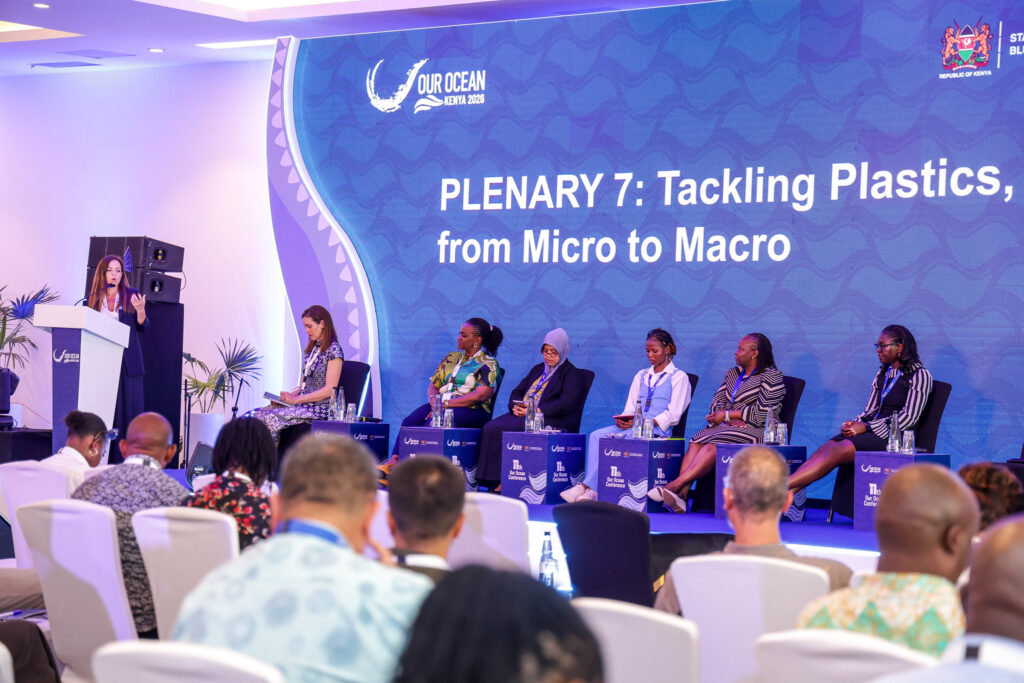
Marine plastic pollution remained one of the defining issues discussed throughout OOC11. Yet rather than focusing solely on the scale of the problem, many conversations highlighted the practical solutions already emerging across the Western Indian Ocean.
Wetlands International contributed to this dialogue through Turning the Plastic Tides: Advancing Locally-Led Approaches towards Marine Plastic Pollution for Harmonized Marine Conservation in the Western Indian Ocean, a session that brought together governments, conservation organisations, researchers, community groups and development partners to share experiences from across the region.
The discussion moved beyond waste management to explore the wider systems needed to reduce plastic pollution. Participants highlighted the importance of supportive policy, regional cooperation, investment in circular economy approaches and stronger collaboration between governments, communities and the private sector. Examples shared during the session demonstrated how youth-led initiatives, community enterprises and locally driven innovation are already reducing plastic leakage into rivers, wetlands and the ocean while creating new economic opportunities.
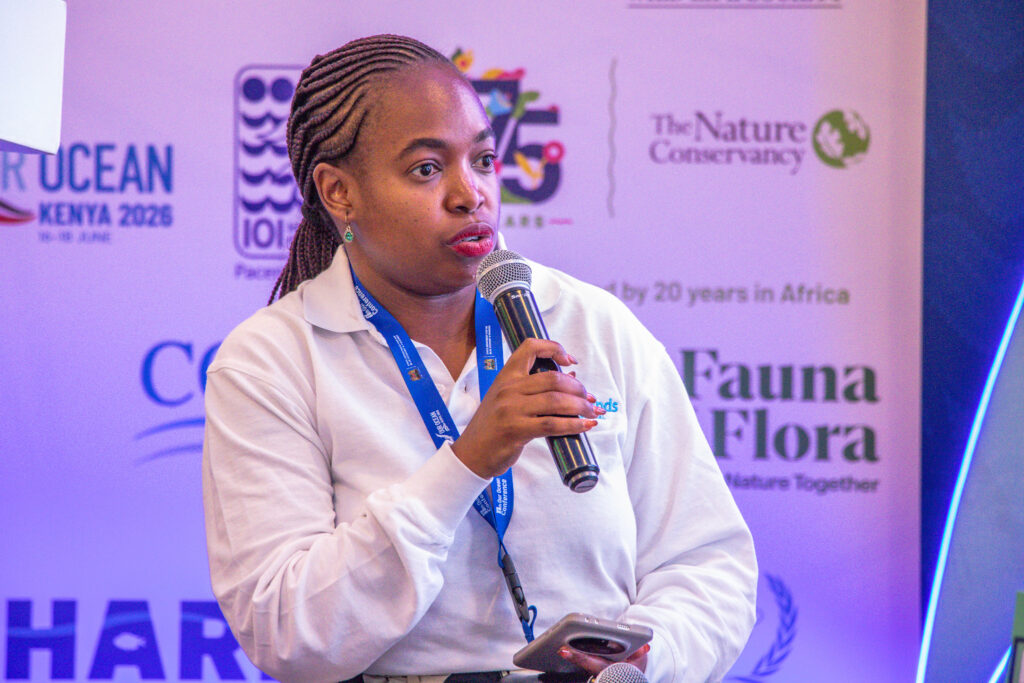
Although the discussion focused on plastic pollution, it reinforced a broader lesson that emerged throughout OOC11: durable solutions often begin at the local level. Scaling those solutions requires investment, enabling policy and partnerships that recognise the value of community leadership.
Looking beyond Mombasa
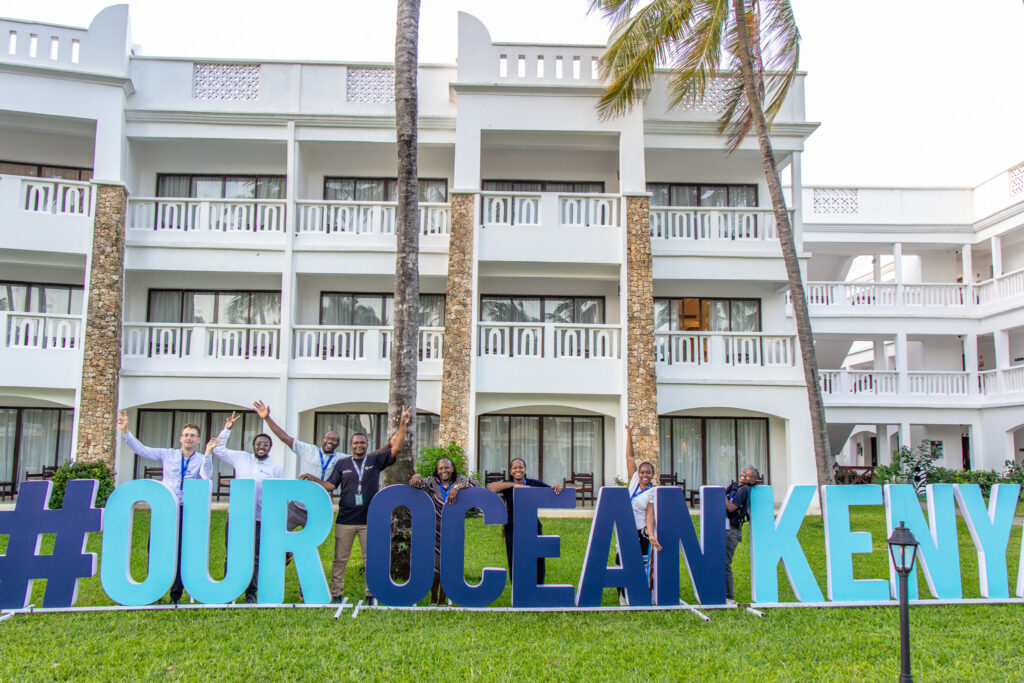
Every Our Ocean Conference is remembered for the commitments announced. Equally important, however, are the conversations that continue once delegates return home.
For coastal wetlands, OOC11 reflected a noticeable shift in direction. Mangroves and seagrasses were no longer discussed solely as ecosystems to be protected. They were increasingly recognised as natural infrastructure that supports climate resilience, biodiversity, food security and sustainable economic development. Discussions on finance moved beyond mobilising resources to designing financing mechanisms that reflect the realities of conservation. Community stewardship was recognised not as an add-on to conservation, but as its foundation.
For the Western Indian Ocean, the conference also reflected a growing confidence in the region’s ability to shape the global ocean agenda. Governments, conservation organisations, researchers, investors and communities shared practical experience, strengthened partnerships and demonstrated that many of the solutions needed to address today’s ocean challenges are already being developed across the region.
For Wetlands International, these conversations reaffirmed an approach that has guided its work for decades: healthy coastal wetlands depend on healthy partnerships. Connecting science with policy, conservation with sustainable livelihoods, and local leadership with long-term investment will be essential to achieving lasting impact.
As the conversations that began in Mombasa move into implementation, the success of OOC11 will not be measured only by the commitments that were announced, but by the actions that follow. The partnerships strengthened during the conference, the investments that are mobilised and the continued leadership of coastal communities will determine how the region’s mangroves, seagrasses and other coastal wetlands continue to support people and nature for generations to come.
If OOC11 left one lasting impression, it is this: the Western Indian Ocean is no longer simply contributing to the global conversation on ocean conservation. It is helping to shape where that conversation goes next.
A slideshow with 9 images
The slider is set to loop infinitely.