

World Wetlands Day 2026: Reshaping Wetland Conservation Through Indigenous Knowledge
Wetlands are places of ecological importance, but they are also repositories of knowledge.
For generations, communities living around wetlands have observed changes in water, weather, plants, and animals, developing an understanding of their environment that continues to shape how they live, work and respond to change.
This connection was at the heart of World Wetlands Day 2026, celebrated under the theme “Wetlands and Indigenous Knowledge: Preserving Cultural Heritage.” Across Kenya, the commemoration created opportunities for communities, government leaders and conservation partners to reflect on the relationship between indigenous knowledge, cultural heritage and wetland conservation.
In Isiolo County, the national commemoration at Merire Wetland brought communities, government leaders and partners together for a day of dialogue, cultural expression and practical action.
From national celebrations to local conversations
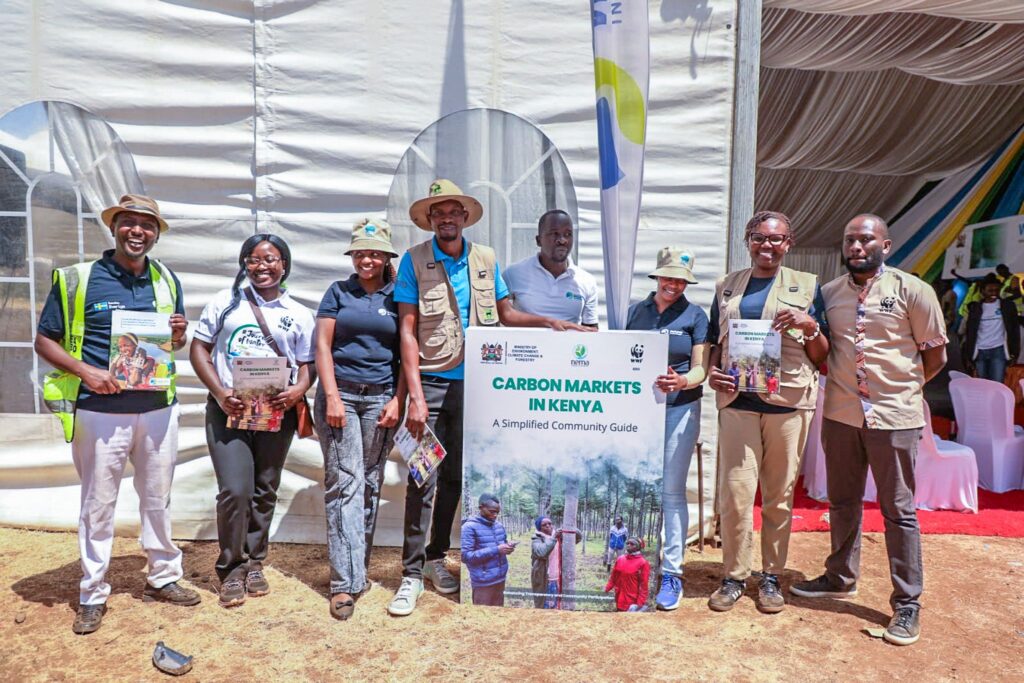
At Merire Wetland, the theme was brought to life through dialogue and practical action. Communities, government leaders and partners participated in a guided tour of the wetland, tree-planting activities and exhibitions showcasing ongoing conservation efforts and community initiatives.
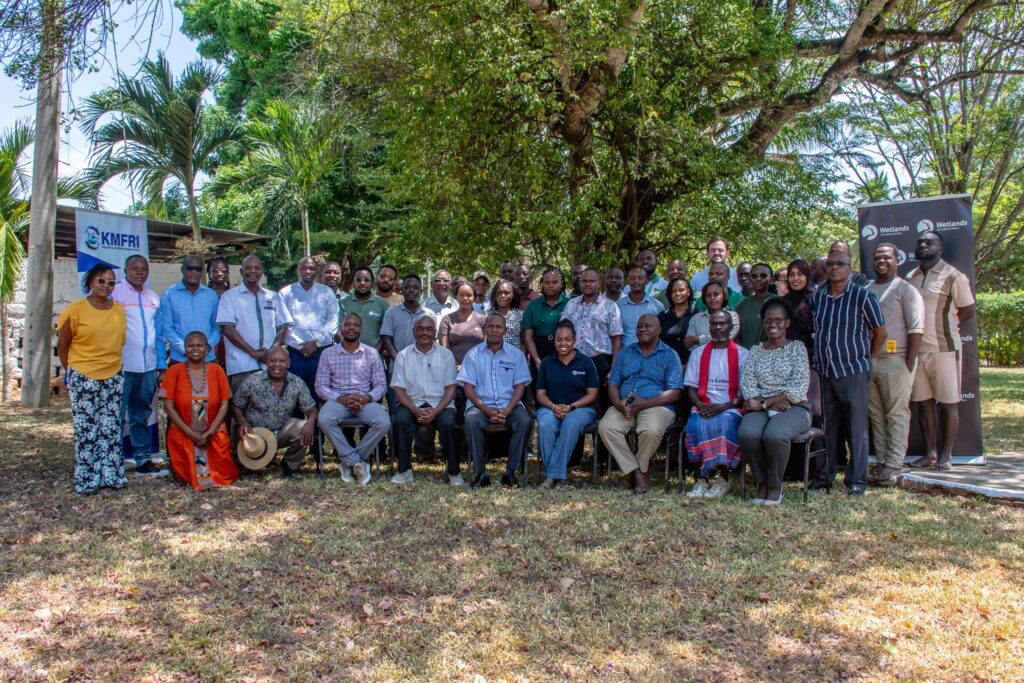
A public baraza provided space for national and county leadership, partners and communities to discuss wetland conservation, traditional knowledge, climate action and sustainable livelihoods. Cultural performances and the recognition of wetland conservation groups further highlighted the role communities play in protecting these ecosystems.While the national commemoration in Isiolo brought these conversations to Merire Wetland, a parallel discussion was unfolding in Kilifi, where communities and partners reflected on the role of indigenous knowledge in conserving coastal wetlands. Together, the two engagements highlighted a broader national conversation: effective wetland conservation must recognise the knowledge and experiences of the communities who live alongside these ecosystems.
This perspective was further reflected in remarks by Dr. Judith Okello, Senior Research Scientist at the Kenya Marine and Fisheries Research Institute (KMFRI). She highlighted how communities observe sounds, animal behaviour and changes in nature to understand what is happening in their environment.
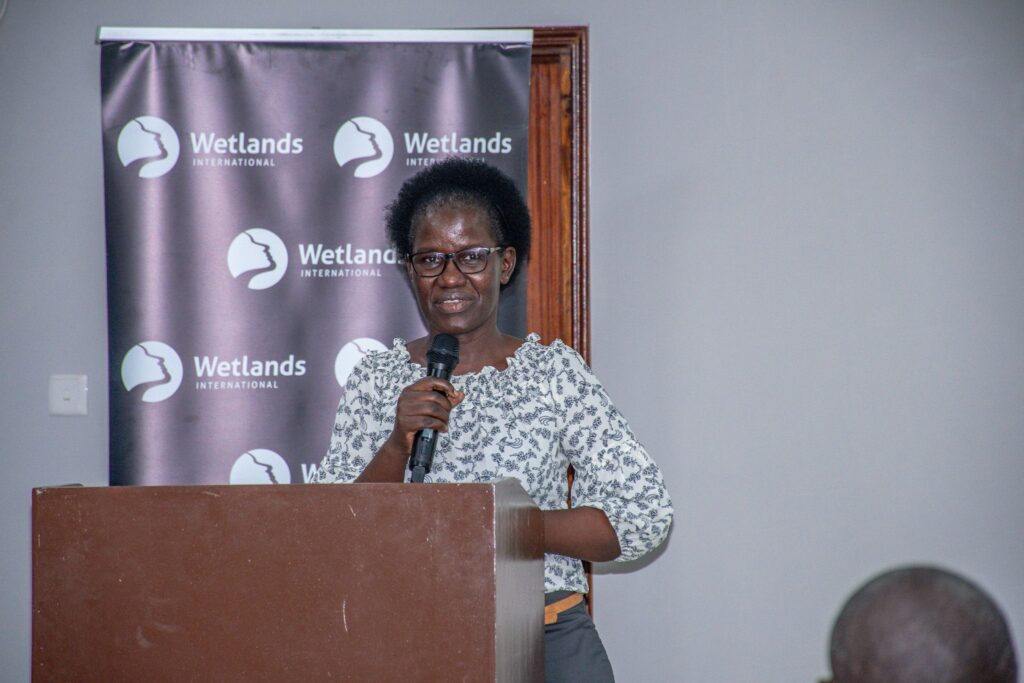
From recognising changes in animal behaviour and weather patterns to understanding when and where to fish, farm or protect natural resources, these observations represent knowledge built through generations of interaction with the environment.
Bringing knowledge together
Recognising indigenous knowledge does not mean choosing it over modern science. Instead, it creates an opportunity to bring different forms of knowledge together.Scientific research can provide tools and methods for understanding ecosystem change, while community knowledge offers insights built from long-term interaction with particular landscapes. When these perspectives are brought together, they can strengthen decision-making and support conservation approaches that are relevant to local realities.
For Wetlands International Eastern Africa, recognising and integrating community knowledge is an important part of supporting inclusive and sustainable wetland conservation.
Carrying the knowledge forward
World Wetlands Day 2026 was more than a celebration of wetlands. It was a reminder that protecting wetlands also means valuing the knowledge and people connected to them.
As wetlands face growing pressures from climate change and human activity, creating space for communities, researchers, governments and conservation organisations to learn from one another will become increasingly important.When indigenous knowledge, lived experience and scientific evidence come together, wetland conservation can become more inclusive, locally grounded and sustainable.