
Save Our Mangroves Now! Closes a Chapter of Action for Mangrove Conservation.
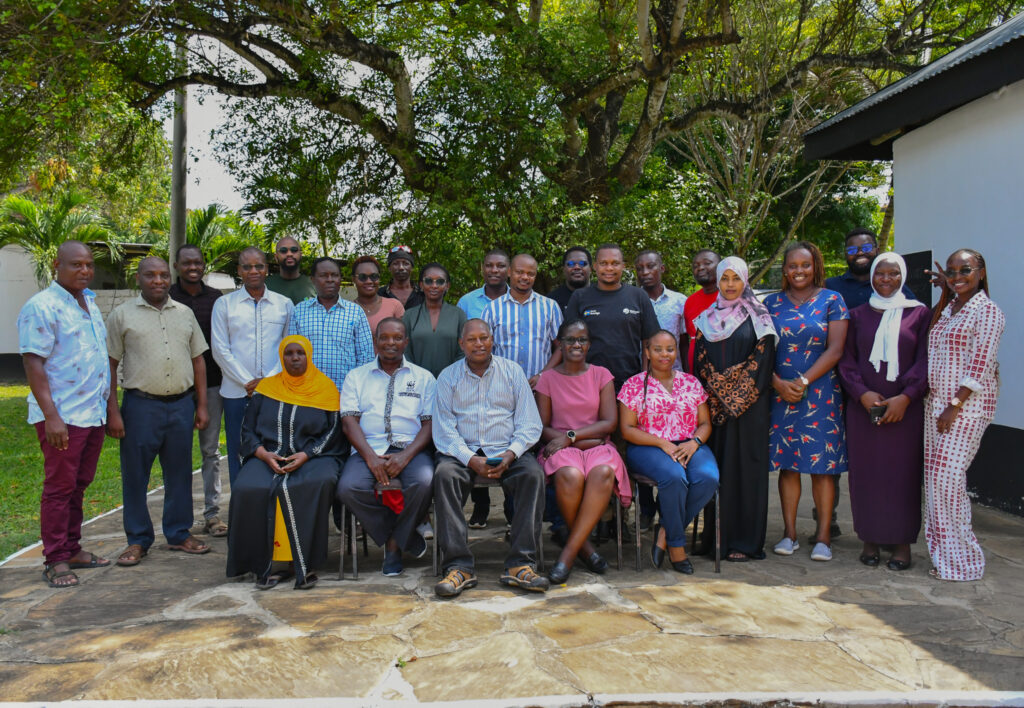
After a decade of work across the Western Indian Ocean, the Save Our Mangroves Now! (SOMN) initiative is coming to an end. Its close-out offers an opportunity to reflect not only on the policies and partnerships it helped strengthen, but also on the practical work carried out with communities to protect and restore mangrove ecosystems.
Launched in 2016 by BMZ, WWF, IUCN, and Wetlands International, SOMN sought to reverse mangrove decline by restoring biodiversity, supporting livelihoods, and addressing the impacts of climate change. Across three phases, the initiative brought together governments, conservation organisations, technical experts and coastal communities around a shared goal of conserving and restoring mangrove ecosystems.
The third phase, implemented from 2023 to 2026, focused on translating international commitments into national action in Kenya and Mozambique, strengthening capacity, mainstreaming effective restoration practices and mobilising financing for mangrove conservation.
From policy to practice
In Kenya, SOMN-3 supported efforts to strengthen the policy and governance systems that guide mangrove conservation while helping translate these frameworks into action on the ground.
At the policy level, the initiative contributed to processes involving national and county-level mangrove governance, including the National and County Mangrove Management Committees, the National Mangrove Ecosystem Management Plan and wider climate and biodiversity frameworks.
This work was accompanied by practical interventions at the community and landscape level. SOMN-3 supported the development of Participatory Forest Management Plans and Forest Management Agreements for Mkunumbi and MTAKIMAU Community Forest Associations, as well as a restoration plan for Mkunumbi. These processes provided practical frameworks for communities and other stakeholders to participate in the management and restoration of mangrove forests.
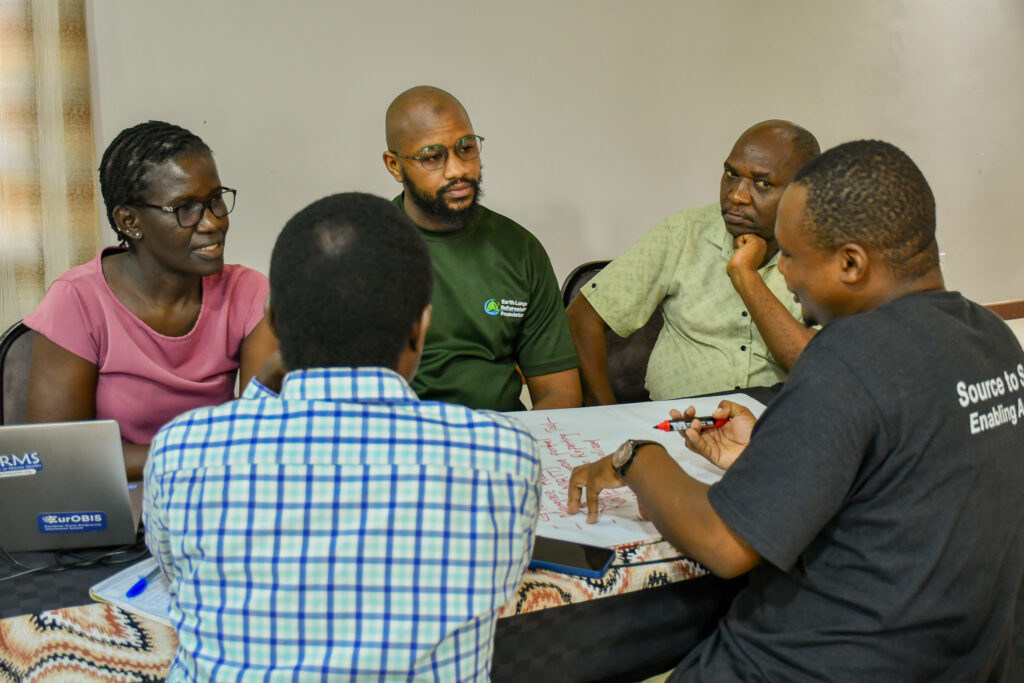
The initiative also supported training on Community-Based Ecological Mangrove Restoration (CBEMR), technical dialogues and exchange visits. These activities strengthened the capacity of practitioners and communities to understand and apply approaches that consider the ecological conditions of mangrove sites and support natural regeneration.
This combination of policy support and practical implementation was important. Effective restoration requires an enabling policy environment, but it also depends on people having the knowledge, tools and structures to apply that policy where conservation actually takes place.
Strengthening people, knowledge and partnerships
Communities remained central to this work. SOMN-3 supported the establishment and strengthening of the National Alliance of Mangrove Community Forest Associations (NAMCOFA), creating a platform for Community Forest Associations to share information, coordinate their efforts and strengthen their collective voice.
The initiative also supported knowledge exchange and improved access to technical information. Training and awareness on Global Mangrove Watch, forest alert systems and the Mangrove Restoration Tracker Tool (MRTT) helped strengthen the capacity to monitor mangrove ecosystems and track changes over time.
Alongside these efforts, SOMN-3 contributed to the development of reporting systems for County Mangrove Management Committees and the mangrove portal, while communication efforts included simplified technical materials and Swahili-language CBEMR videos.
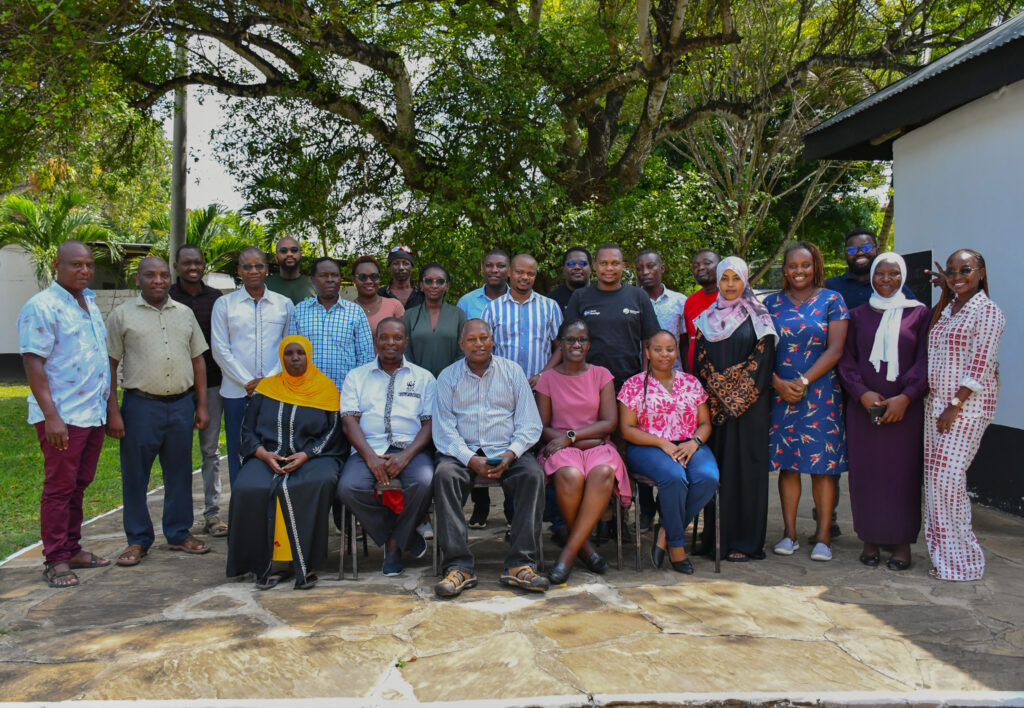
Partnerships were another important part of the initiative’s contribution. The establishment of the Global Mangrove Alliance Kenya Chapter created a platform for organisations working on mangrove conservation to coordinate, exchange knowledge and work towards shared priorities.
Together, these efforts helped connect community experience, technical knowledge, government systems and conservation organisations around a more coordinated approach to mangrove management.
Looking beyond SOMN
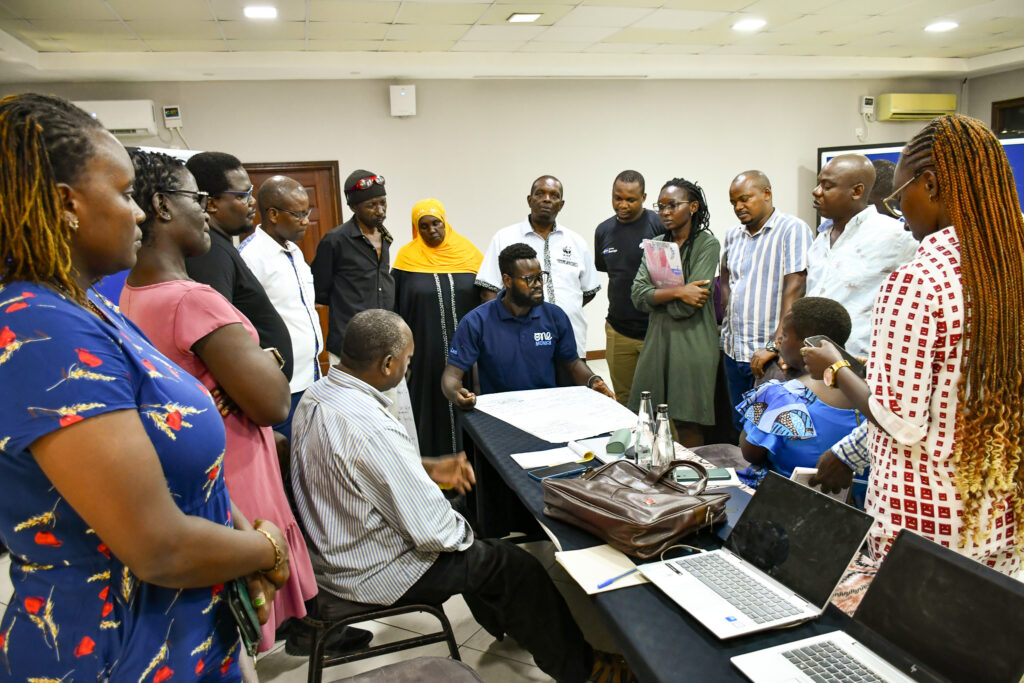
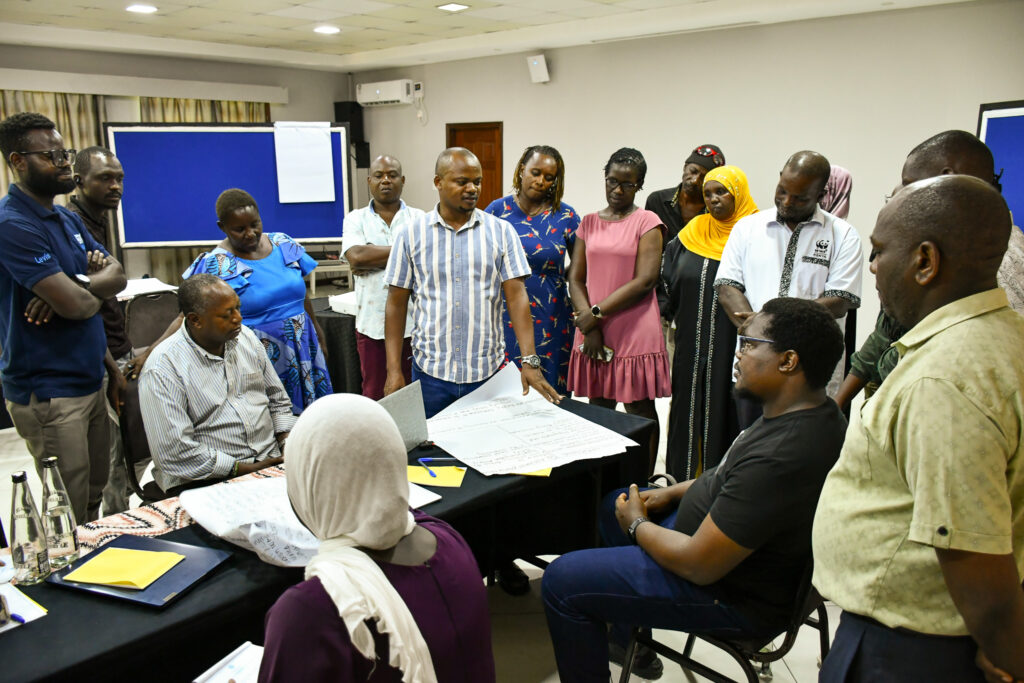
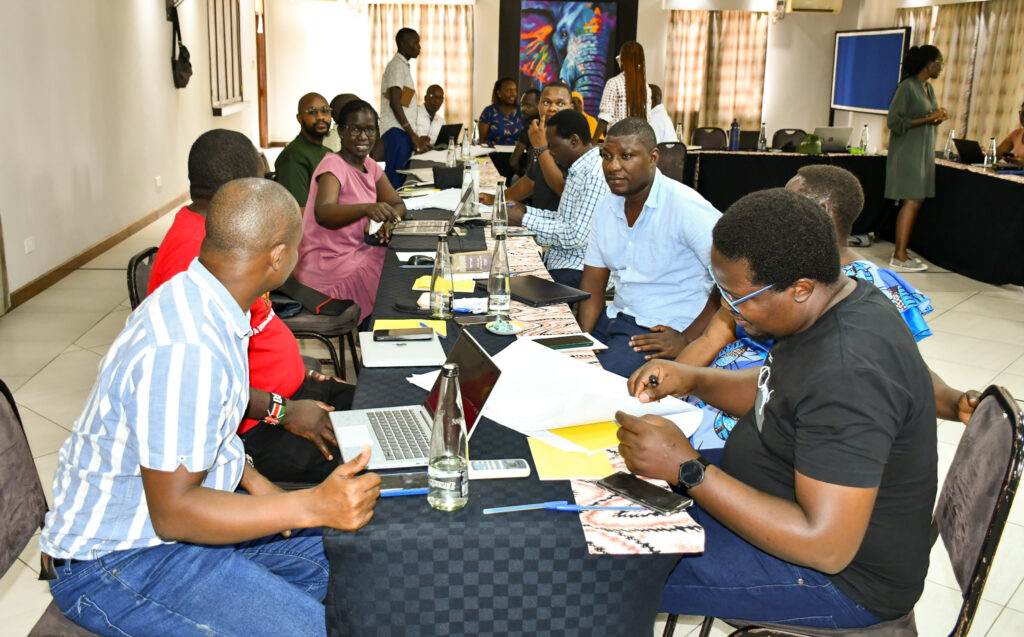
The close-out process was also an opportunity to consider what is needed to sustain these gains beyond the project period.
Stakeholders identified priorities including strengthening NAMCOFA, expanding youth participation in mangrove conservation, scaling CBEMR, improving monitoring systems, supporting sustainable livelihood opportunities and advancing blue carbon and other financing mechanisms.
Financing remains particularly important. SOMN-3 contributed to broader discussions around sustainable financing through multi-stakeholder partnerships and initiatives such as the Mangrove Breakthrough, helping strengthen the case for investment in mangroves as ecosystems that contribute to climate resilience, biodiversity, livelihoods and sustainable coastal economies.
There was also a call to continue peer-to-peer learning, strengthen collaboration through the Global Mangrove Alliance Kenya Chapter and ensure that systems such as the mangrove portal and monitoring tools are fully operational.
Carrying the work forward
The conclusion of SOMN marks the end of a programme, but not the end of the work it helped advance.From supporting policy and governance processes to working with communities on forest management, restoration planning and capacity development, SOMN-3 contributed to both the systems that enable conservation and the practical action needed to implement it.
Its experience reinforces an important lesson: lasting mangrove restoration requires more than individual projects or interventions. It depends on strong institutions, empowered communities, sound science, effective partnerships and sustainable financing working together.
As SOMN closes this chapter, the task now is to sustain and build on these gains so that mangrove ecosystems across the Western Indian Ocean continue to support biodiversity, resilient communities and sustainable coastal livelihoods.
A slideshow with 8 images
The slider is set to loop infinitely.