

River Rwizi’s Cry for Help Sparks a New Wave of Restoration and Hope
-
Community resilience
-
Healthy Wetland Nature
-
Rivers and lakes
-
Species
-
Water supply and sanitation
-
Wetland agriculture and fisheries
For years, communities living along River Rwizi have watched the river slowly change.
Places that once held water throughout the year are drying faster. Wetlands that used to filter water and provide grazing grounds are being cleared for farming and settlements. Elders speak of streams that flowed stronger, birds that were easier to spot, and wetlands that seemed endless.
Today, River Rwizi is still a lifeline to millions of people across south-western Uganda, but it is also a river under pressure.
Stretching from the hills of Buhweju District and winding its way through communities before draining into Lake Victoria, the river supports farming, livestock keeping, fisheries, tourism and water supply for an estimated 2.4 million people.
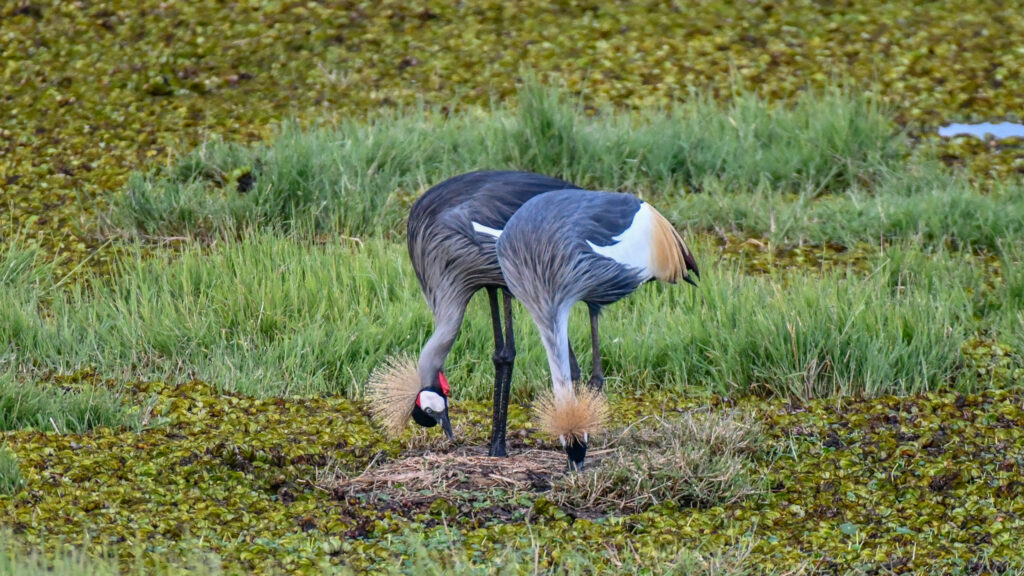
Its wetlands also shelter one of Uganda’s most treasured species, the Grey Crowned Crane, locally known by many as the crested crane.
But over the years, the signs of degradation have become harder to ignore.
Wetlands have been encroached on for agriculture. Sand mining, brick making and charcoal burning continue to eat into fragile ecosystems. Climate change has brought flooding in some seasons and water stress in others. Indigenous trees are disappearing, while pollution and sediment continue to affect water quality downstream.
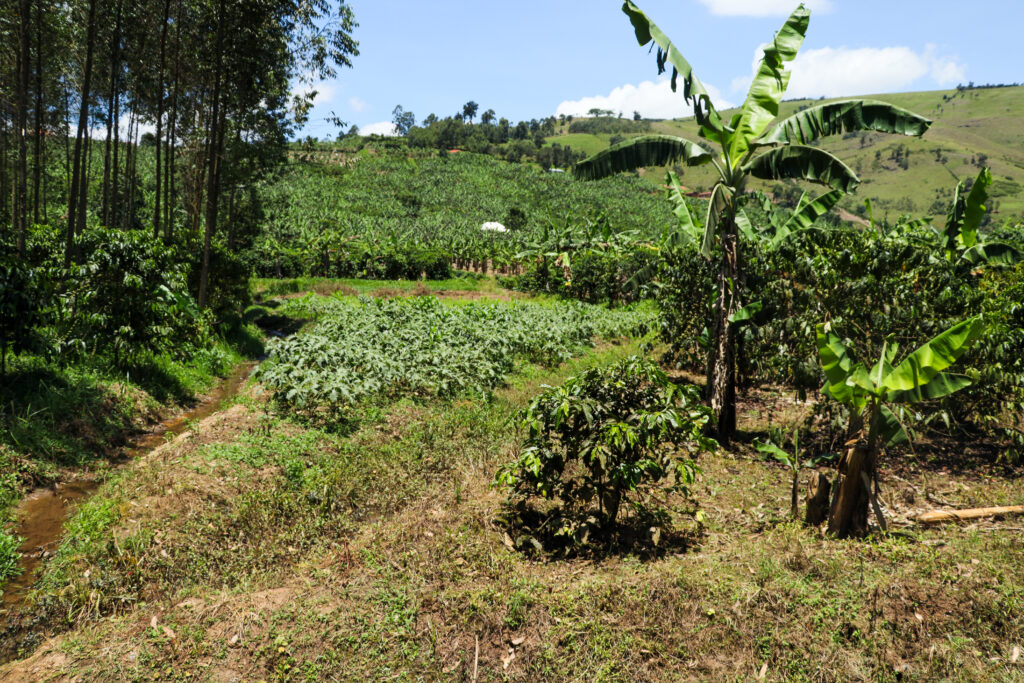
Conservationists say nearly 90 percent of wetland habitats in parts of the catchment have been modified, contributing to the sharp decline of biodiversity, including the Grey Crowned Crane population, which has dropped significantly in recent decades.
Now, a new partnership is working to change that story.
In December 2025, a consortium bringing together Wetlands International, International Crane Foundation and Living Earth Uganda, with support from the Uganda Biodiversity Fund (UBF), launched a five-year initiative aimed at restoring River Rwizi’s wetlands, strengthening community livelihoods and protecting biodiversity.
The project will be implemented across seven districts: Rwampara District, Buhweju District, Sheema District, Isingiro District, Lwengo District, Kyotera District and Rakai District.
At its heart, the project is about restoring balance between people and nature.
Over the next five years, partners aim to restore and conserve more than 400 hectares of degraded wetlands and grasslands within the catchment. Activities will include boundary demarcation, indigenous tree planting, community-led wetland management and water quality monitoring.
But conservation alone is not enough.
The project also recognises that communities living around wetlands need sustainable ways to earn a living without putting more pressure on the ecosystem. Through trainings and support programmes, over 300 households will benefit from wetlands-compatible enterprises such as beekeeping, fish farming, agroforestry and climate-smart agriculture.
Village Savings and Loan Associations (VSLAs) will also be established to strengthen household resilience and improve access to local economic opportunities.
For the Grey Crowned Crane, the project brings renewed hope.
The crane, known for its striking golden crown and graceful dance, remains an important cultural and national symbol in Uganda. Yet habitat destruction continues to threaten its survival.
Through community-led conservation efforts, the project hopes to increase the crane population in the River Rwizi catchment by at least 10 percent. Local crane custodians will be trained to monitor nests, reduce threats and lead awareness activities within communities and schools.
Already, district leaders and technical teams are showing support for the initiative.
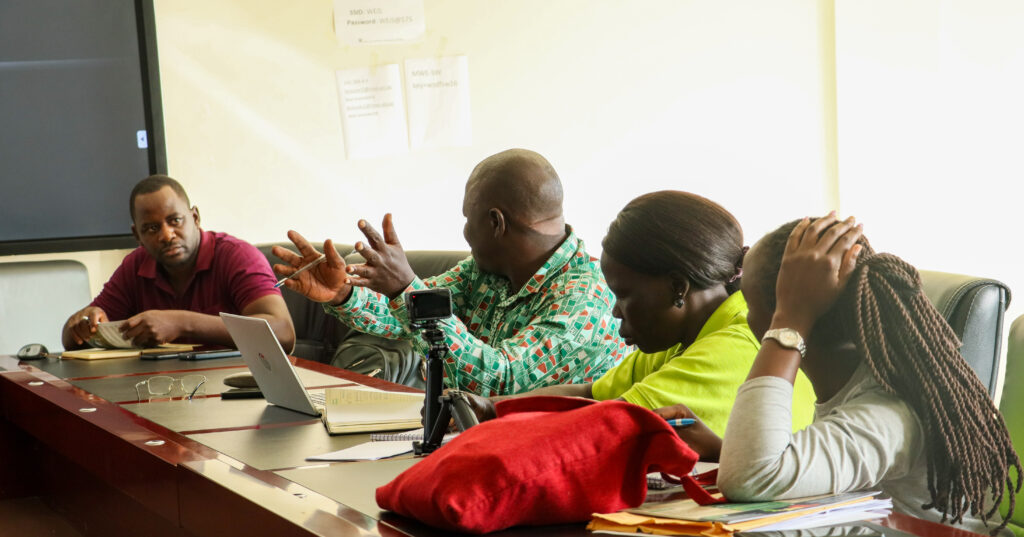
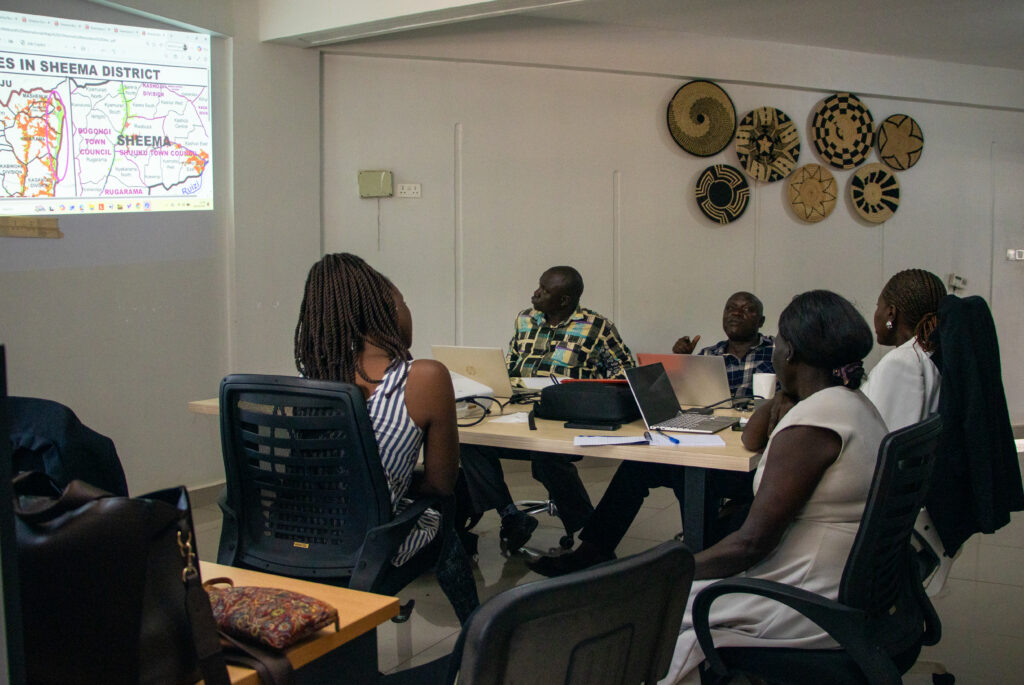
During the project inception meeting, representatives from local governments, security agencies, sub-counties and partner organisations gathered to align priorities and discuss how best to support implementation on the ground.
There was a shared understanding in the room, restoring River Rwizi is no longer just an environmental issue. It is about protecting livelihoods, preserving biodiversity and securing water resources for future generations.
The initiative also complements Uganda’s National Development Plan IV and contributes to global Sustainable Development Goals focused on climate action, ecosystem restoration and sustainable livelihoods.
For many communities along River Rwizi, the journey towards restoration will take time. But with partnerships growing stronger and local action taking shape, there is hope that the river can once again thrive, not only as a source of water, but as a living ecosystem that continues to sustain both people and wildlife.
And perhaps, in the years ahead, the sight of Grey Crowned Cranes rising above healthy wetlands will once again become a familiar symbol of a restored River Rwizi landscape.