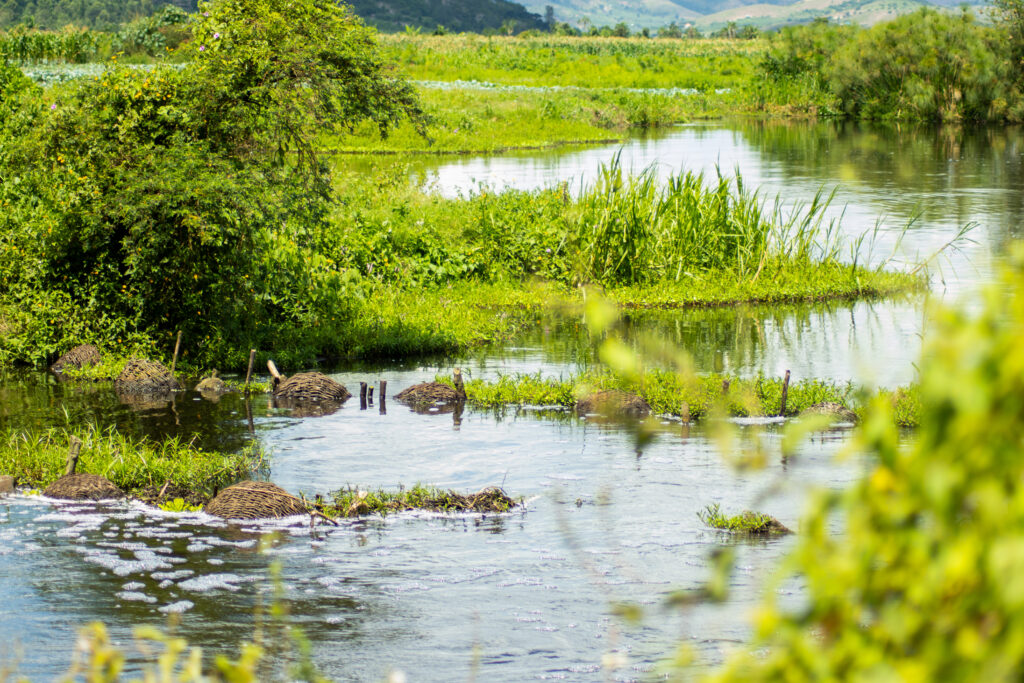

Restoring Nature, Strengthening Communities: Putting Communities at the Heart of Wetland Restoration
-
Community resilience
-
Rivers and lakes
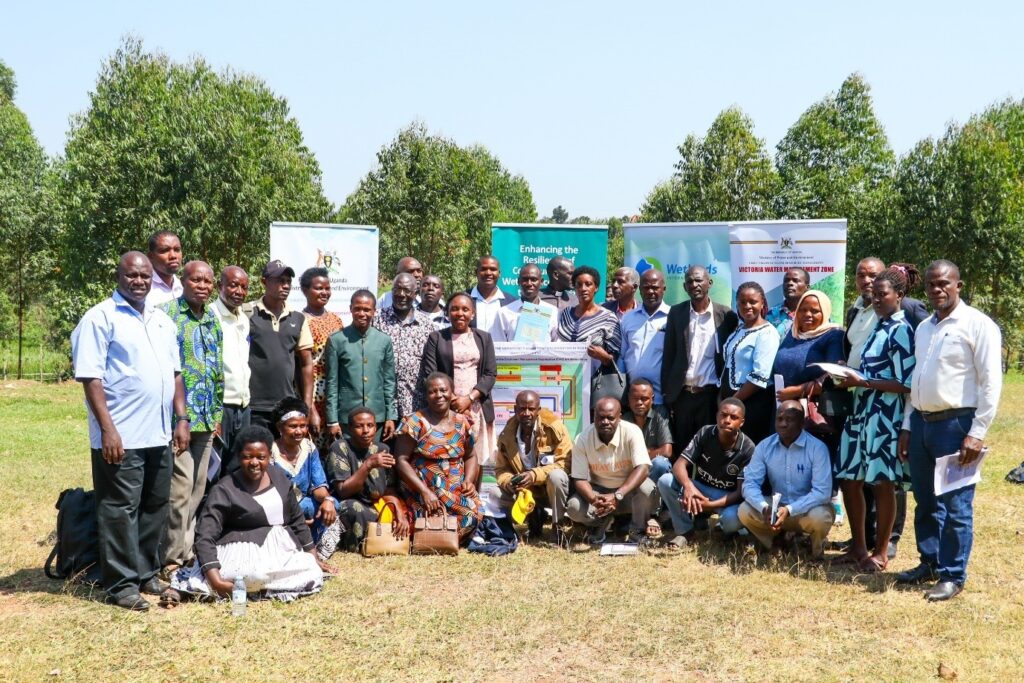
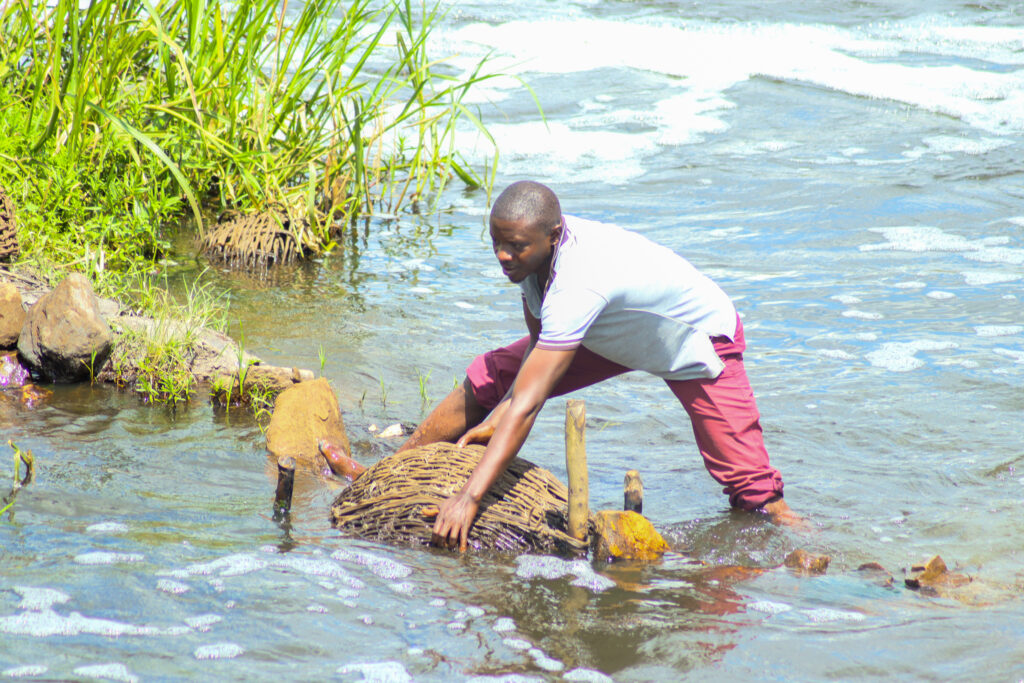
Across southwestern Uganda, the River Rwizi catchment sustains communities, biodiversity and ecosystems that depend on its wetlands and water resources. Covering about 8,210 km², the catchment drains into Lake Victoria and forms an important part of the wider basin.
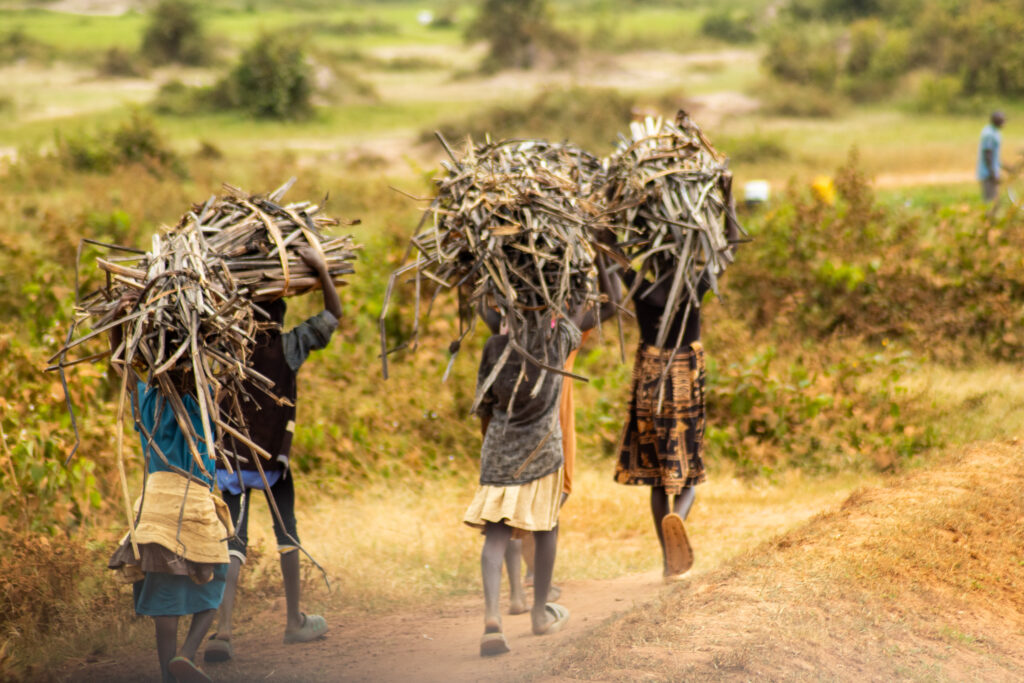
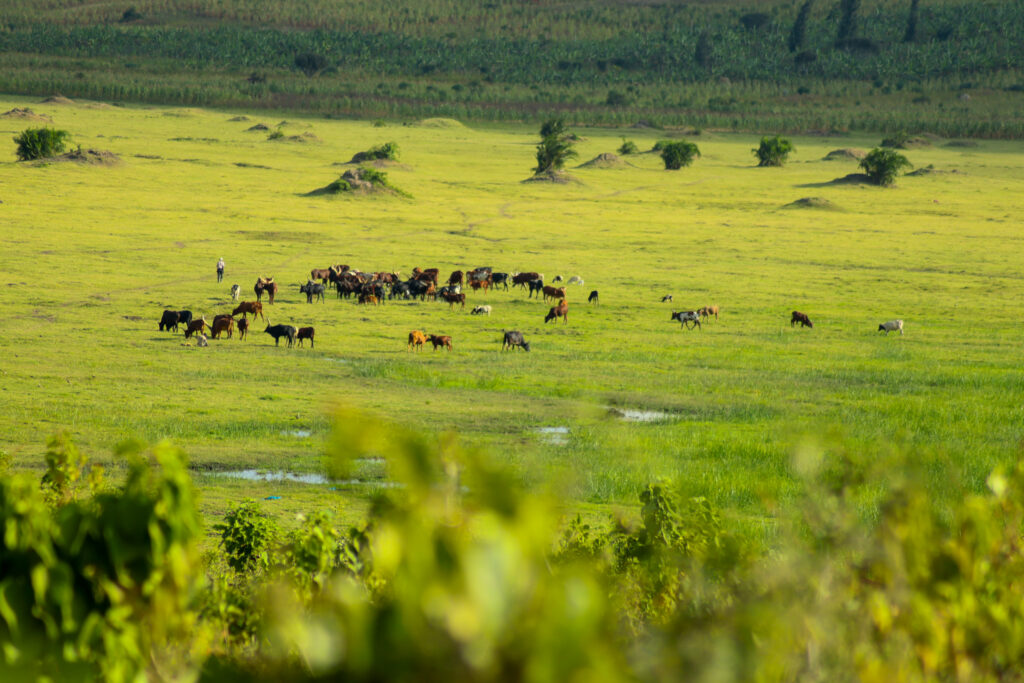
Uganda’s wetlands are equally important to the country’s environment and livelihoods, covering an estimated 26,198 km², or 10.9% of the country’s landscape by 2020. Yet across the Rwizi catchment, these valuable ecosystems face growing pressure from agriculture, pollution, settlement and gold mining.
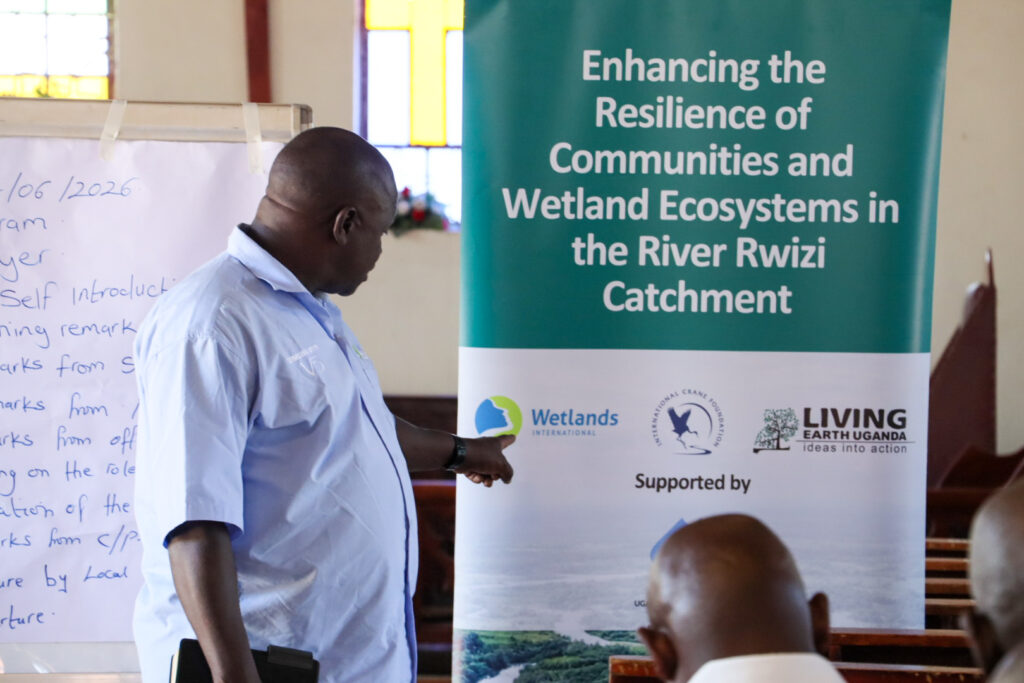
Recognising that lasting conservation must involve the people who depend on wetlands, Wetlands International, with support from the Uganda Biodiversity Fund (UBF), Living Earth Uganda (LEU) and the International Crane Foundation (ICF), is implementing the project “Enhancing the Resilience of Communities and Wetland Ecosystems in the River Rwizi Catchment.”
The project covers seven of the catchment’s 11 districts: Buhweju, Sheema, Rwampara, Isingiro, Rakai, Kyotera and Lwengo. Under the project, Wetlands International is leading efforts to restore and protect more than 400 hectares of wetlands, strengthen community-based management, establish water quality monitoring and promote the use of indigenous seedlings.
Putting communities at the centre
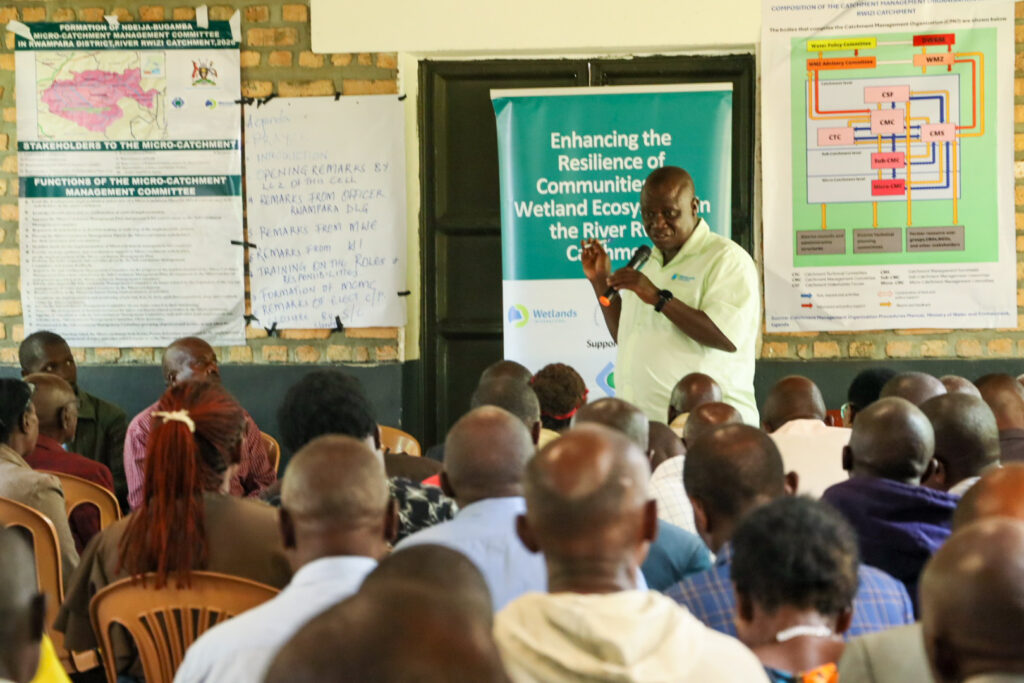
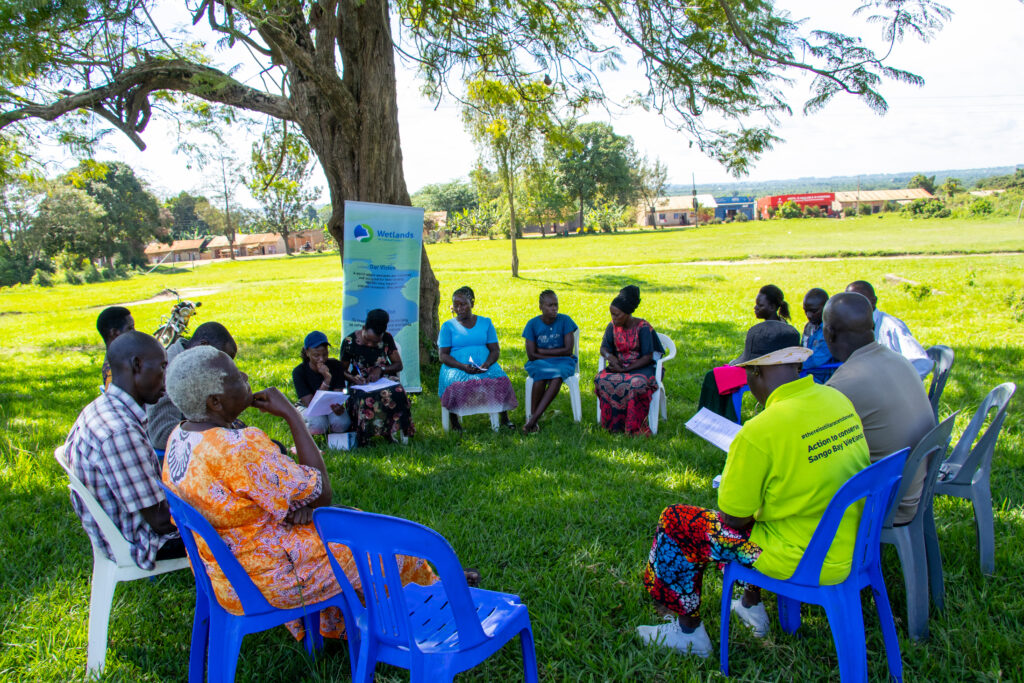
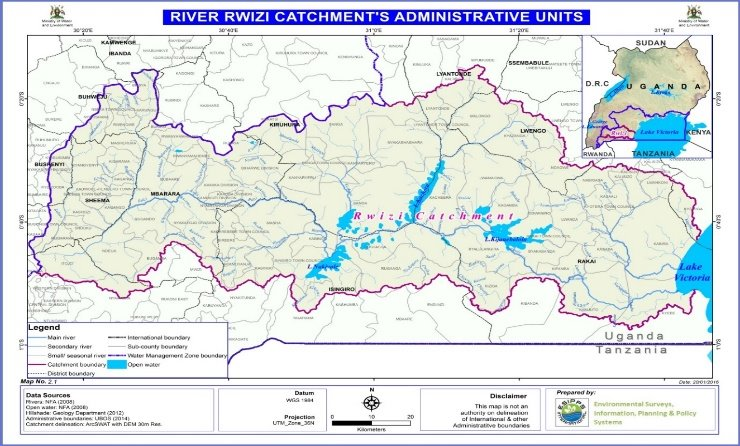
The first half of 2026 focused on understanding the landscape and working with the people who depend on it. Wetlands International engaged communities, district technical teams and national stakeholders through inception meetings, mapping, baseline assessments and training and awareness needs assessments.
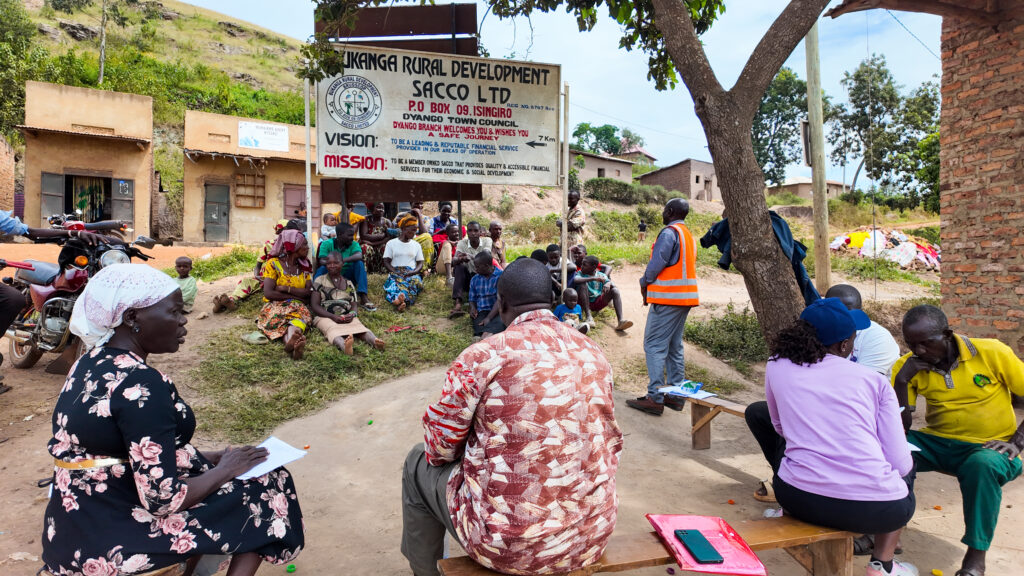
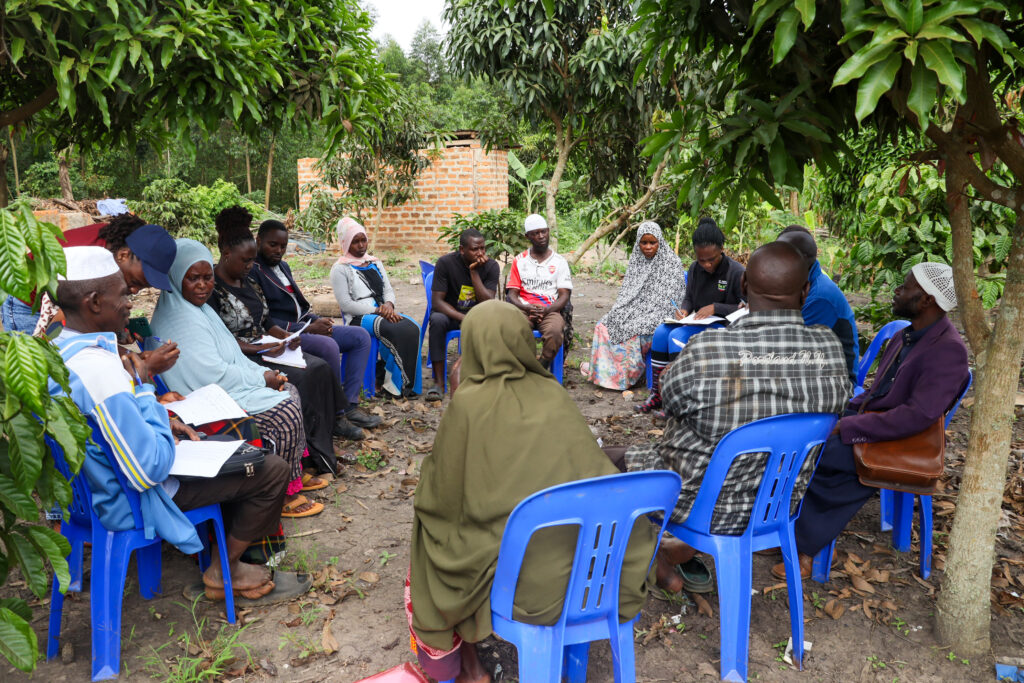
The process brought together farmers, livestock keepers, fishers, beekeepers, nursery operators, miners, traditional healers, business owners, women, youth and persons with disabilities, among others.
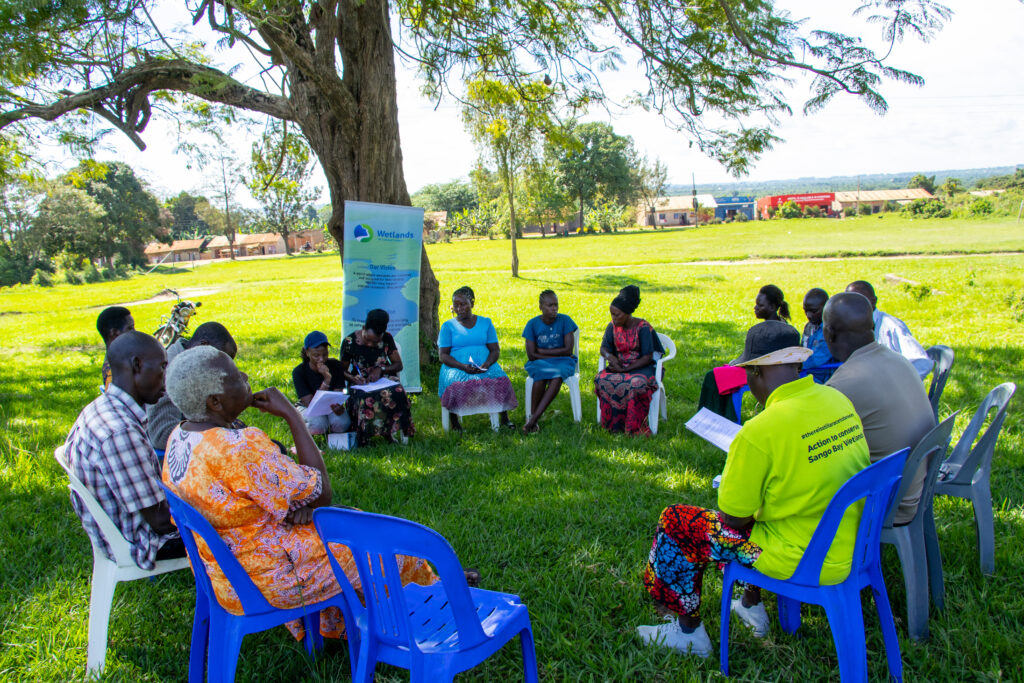
Rather than approaching conservation as something imposed on communities, the project is creating opportunities for people to participate in planning and decision-making. This is helping strengthen local ownership and build a shared responsibility for the future of the wetlands.
Working with the Ministry of Water and Environment and district technical teams, Wetlands International supported the development of five-year micro-catchment management plans for Ndeija-Bugamba in Rwampara, Kigarama-Kagando in Sheema, and Greater Karungu-Rwengwe in Buhweju.
Micro-Catchment Management Committees were also established, bringing together local government representatives, women, youth, older people, persons with disabilities, religious and community leaders, and local organisations.
Using evidence to guide restoration.
Restoration also requires a clear understanding of the condition of the ecosystem.
As part of the project, Wetlands International, in collaboration with the Ministry of Water and Environment, conducted baseline assessments of water quality and quantity across the three micro-catchments. The assessments examined key water-quality parameters to establish a baseline for future monitoring.
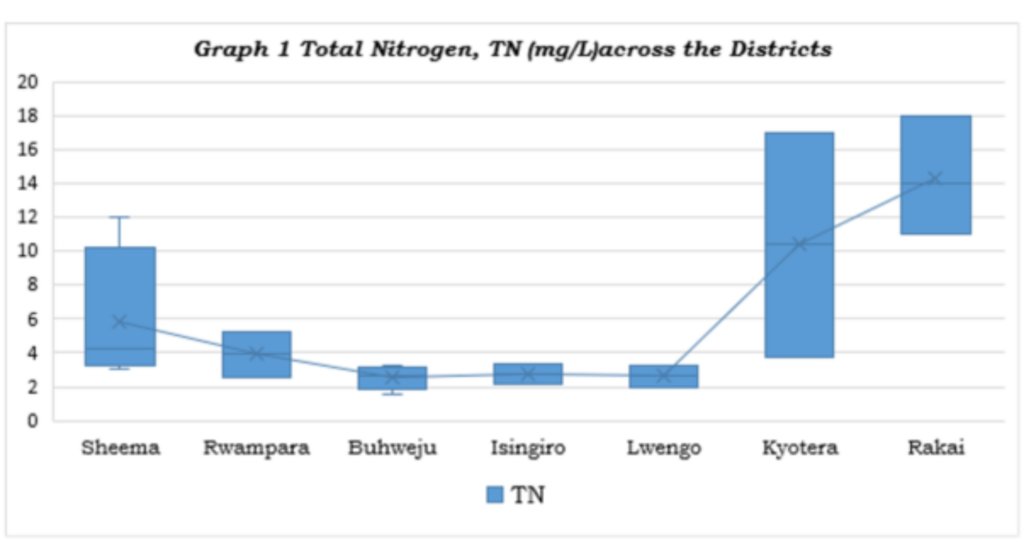
The assessment found that while groundwater generally met required physical standards, some surface water sources showed high levels of turbidity, sediment, nutrients and bacterial contamination. Soil erosion, livestock activities and gold mining were identified among the contributing factors, particularly in Buhweju District.
These findings provide an important baseline for identifying priority restoration areas, strengthening water management and tracking changes as the project progresses.
Lessons from the first phase
The first phase of the project has shown that restoration is not only about protecting wetlands. It is also about building trust, strengthening local leadership and ensuring that decisions are informed by both science and local knowledge.
Community participation builds ownership. Engaging communities from the beginning through mapping, assessments and joint planning helps create a sense of responsibility for restoration.
Inclusive governance strengthens sustainability. Bringing different groups into decision-making makes wetland management more representative and strengthens local commitment.
Clear communication builds trust. In some communities, project activities were initially misunderstood as government eviction exercises. Early and continuous engagement helped address these concerns and build confidence in the project.
Science strengthens restoration planning. Baseline ecological and water assessments provide evidence for selecting priority restoration areas and measuring progress over time.
Building a shared future for the Rwizi
The progress made during the first half of 2026 has laid the foundation for the next phase of implementation. By combining scientific evidence with local knowledge and community leadership, Wetlands International and its partners are working to make wetland restoration a shared responsibility.
The future of the Rwizi catchment will depend not only on restoring degraded wetlands but also on ensuring that the people who depend on them have the knowledge, voice and tools to protect them.
By putting communities at the heart of restoration, these efforts are helping build a healthier Rwizi landscape, stronger livelihoods and a more resilient Lake Victoria basin.