
International Day for the Conservation of the Mangrove Ecosystem 2026
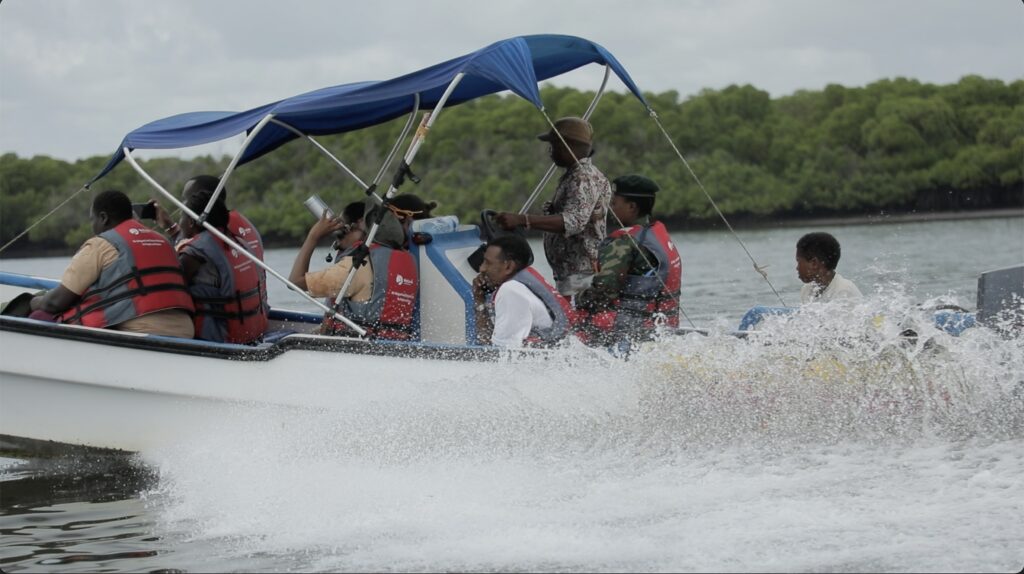
A boat ride through the waters of Lamu offers one of the clearest demonstrations of why mangroves matter.
As the boat moves along the coastline, the contrast becomes impossible to ignore. Where the shoreline is exposed and mangroves are absent or sparse, the sea is rough. The waves roll in with force, crashing against the shore, and the boat rocks with every swell. But as it approaches stretches of healthy mangrove forest, everything changes. The water becomes calmer. The shoreline feels sheltered. There is a quietness that replaces the turbulence.
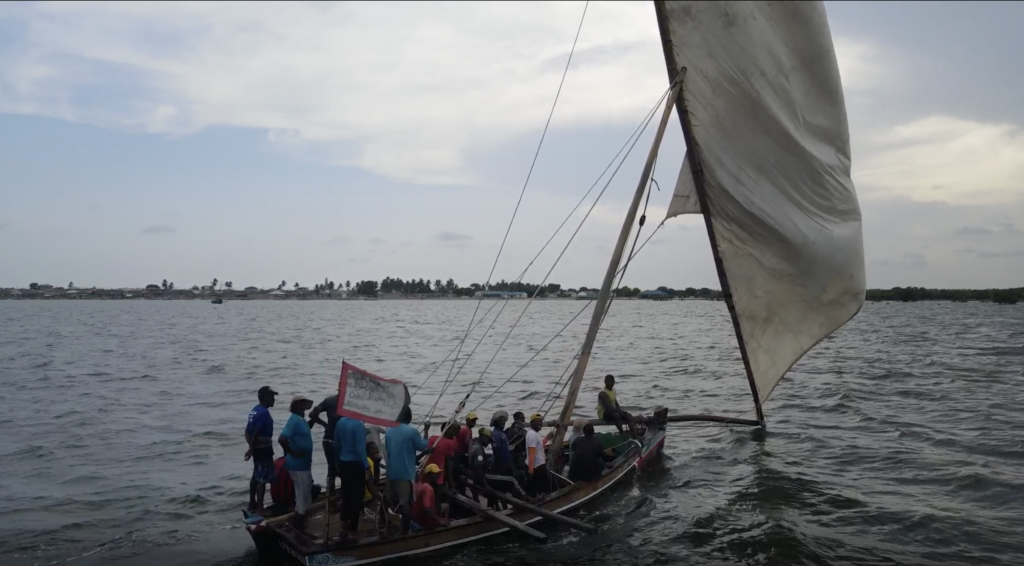
It was during one of these journeys that Edmond Kuto, Monitoring, Evaluation and Learning (MEL) Officer at Wetlands International, pointed to the contrasting shorelines and explained what was happening. The calm water was not a coincidence. The mangrove forests were acting as a natural barrier, slowing the force of the waves before they reached the shore.
In that moment, the value of mangroves stopped being something found in reports, presentations and scientific studies. It became something that could be seen and felt.
That is the remarkable thing about mangroves. They quietly perform some of nature’s most important jobs, often without us noticing.
These coastal forests protect communities from erosion, storm surges and flooding. They provide breeding grounds for fish and other marine life that sustain coastal livelihoods. They store vast amounts of carbon, helping to address climate change, filter and improve water quality, and support rich biodiversity. They are the foundation of thriving coastal ecosystems and resilient blue economies.
Yet despite everything they do, mangroves rarely receive the recognition they deserve.
That is why every year, on 26 July, the world marks the International Day for the Conservation of the Mangrove Ecosystem (IDCME), celebrating these extraordinary ecosystems and renewing our commitment to protecting and restoring them.
This year’s theme, “Healthy Mangroves for Sustainable Blue Economy and Climate Resilience,” is a reminder that healthy mangroves are not only essential for nature but also for the wellbeing and prosperity of coastal communities.
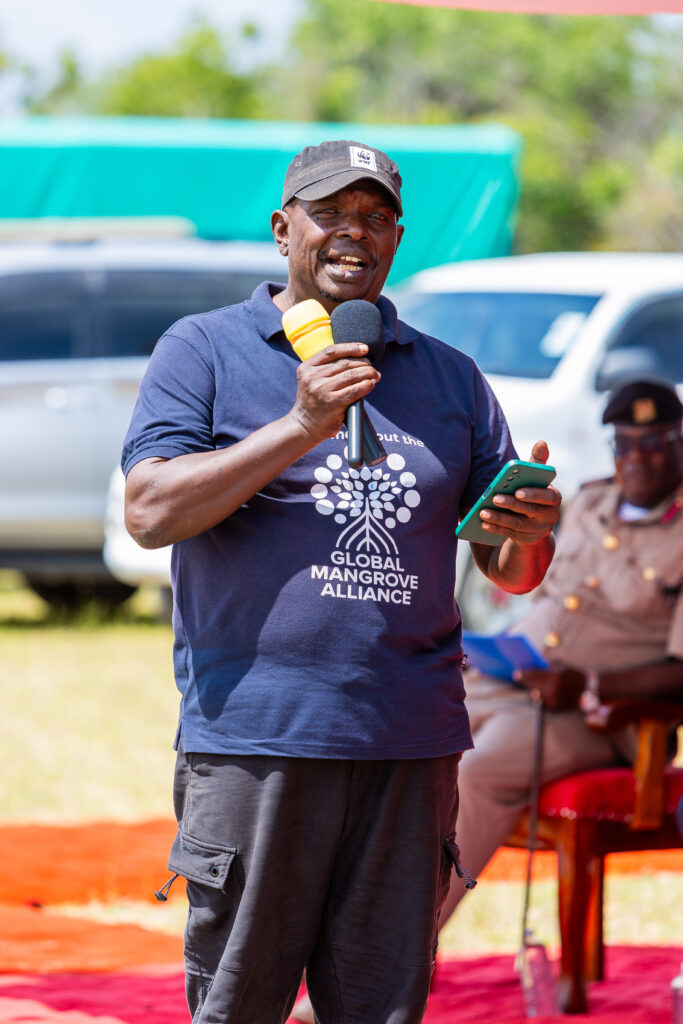
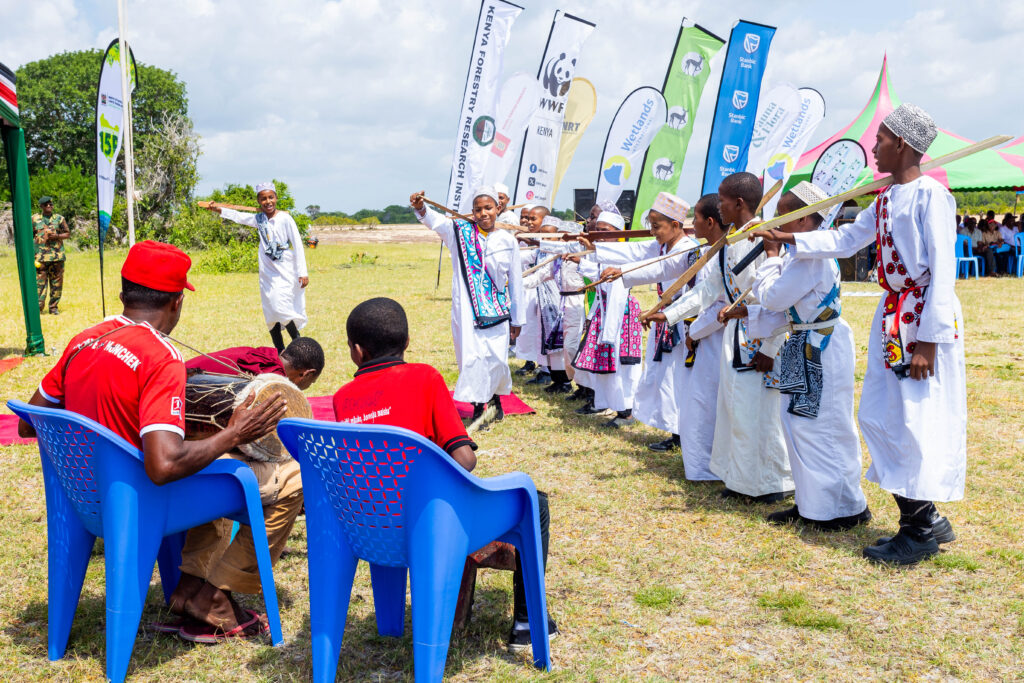
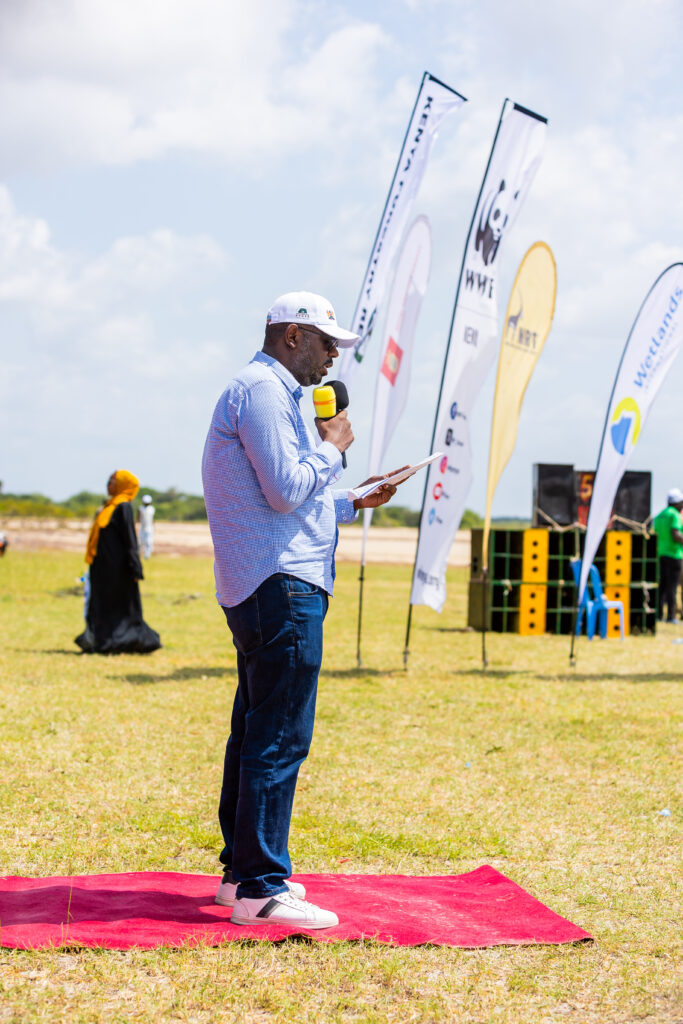
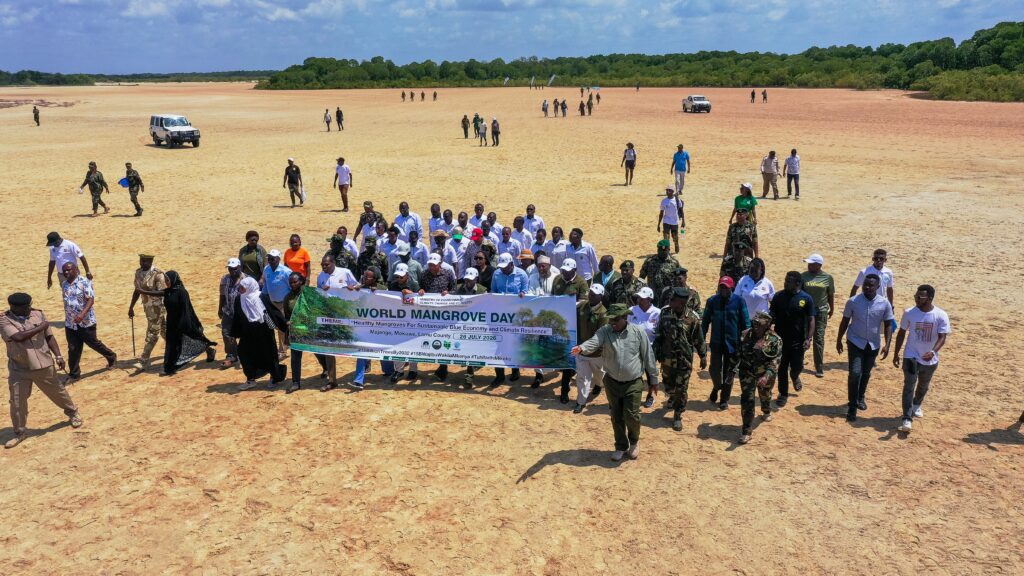
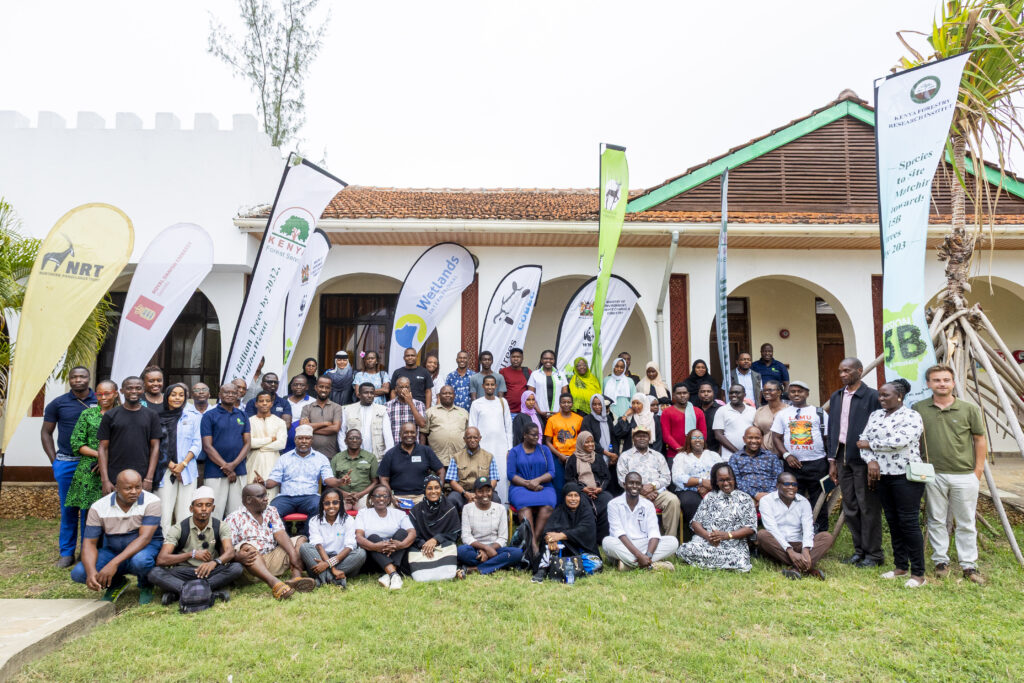
In Kenya, this year’s commemoration extended beyond a single day. From 23–26 July 2026, Lamu County became a hub for mangrove conservation, bringing together government representatives, coastal communities, researchers, civil society organisations, development partners and the private sector. The week featured the Global Mangrove Alliance (GMA) Kenya Chapter Quarter 2 Meeting, the National Mangrove Dialogue, the National Mangroves Stakeholder Forum, and the national celebrations of the International Day for the Conservation of the Mangrove Ecosystem (IDCME) 2026.
A slideshow with 4 images
The slider is set to loop infinitely.
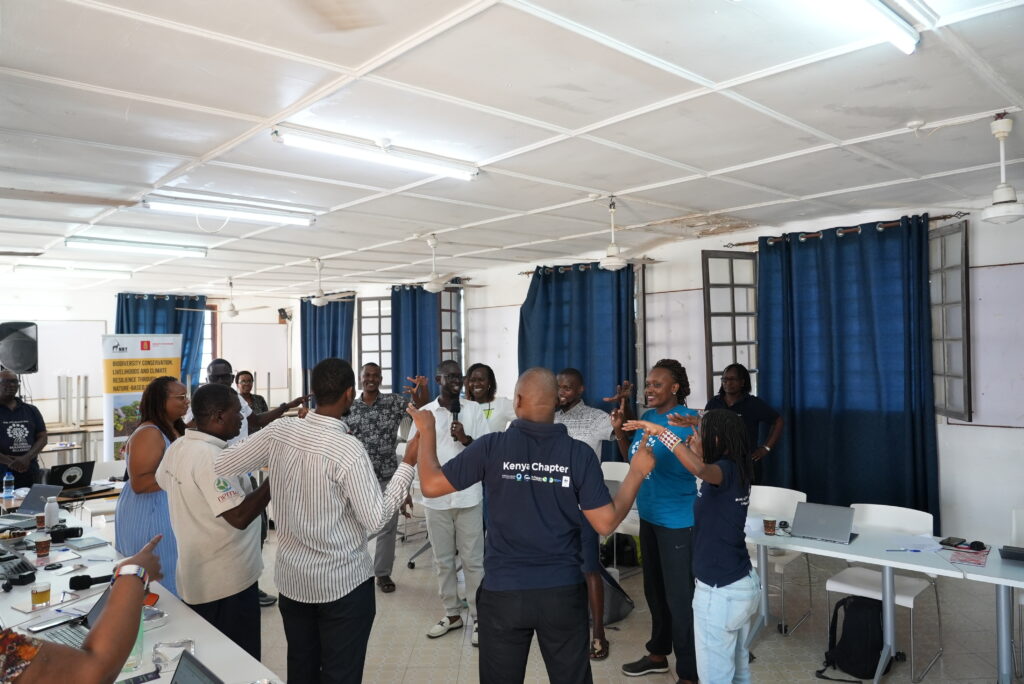
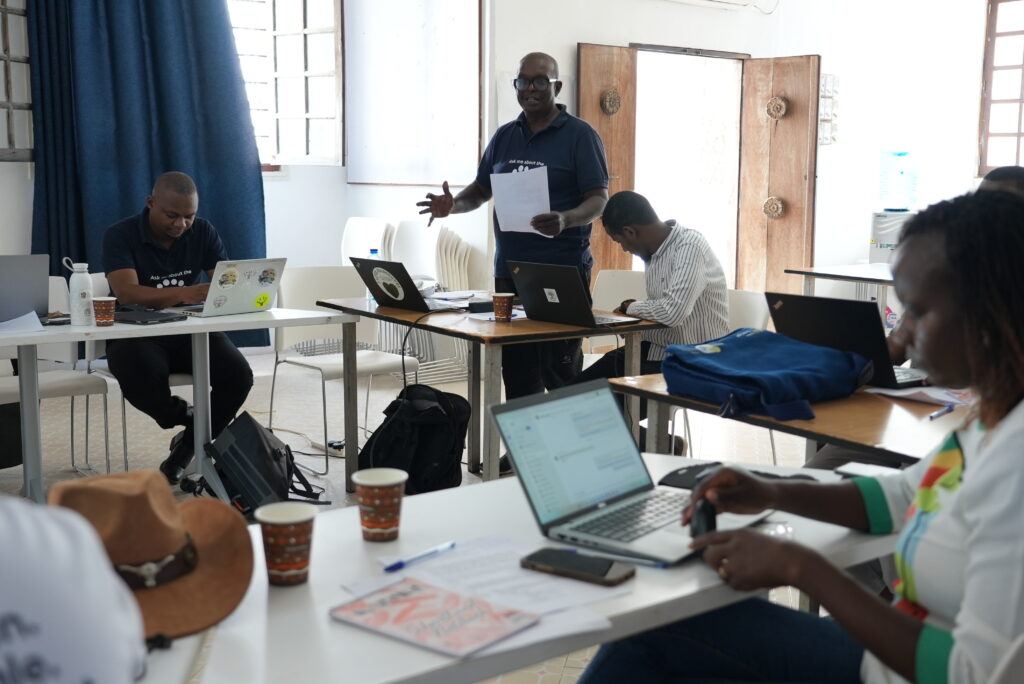
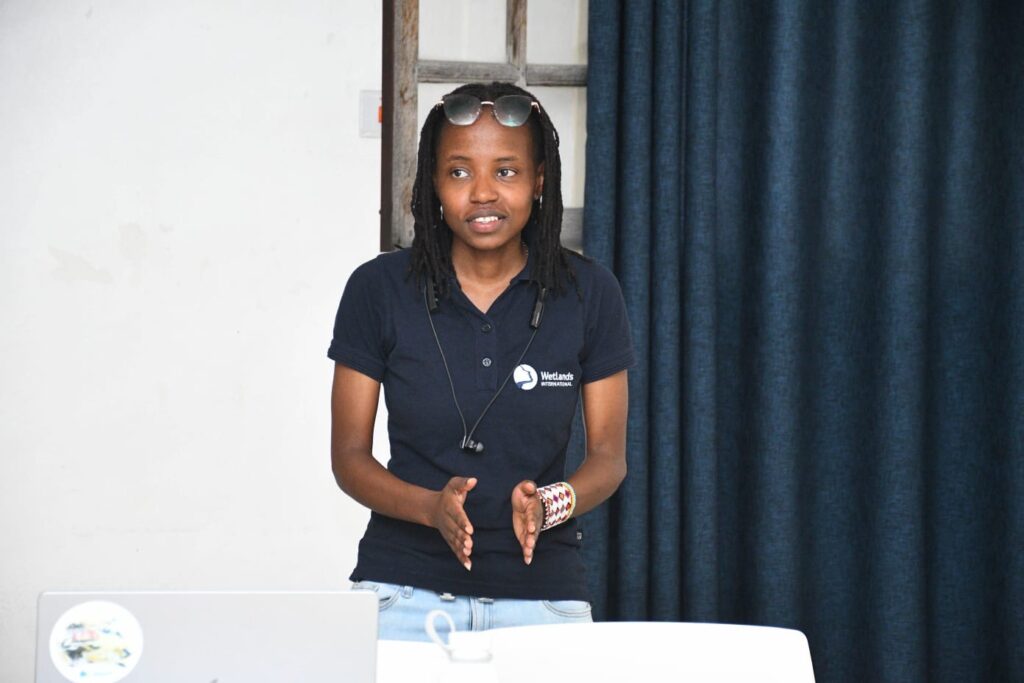
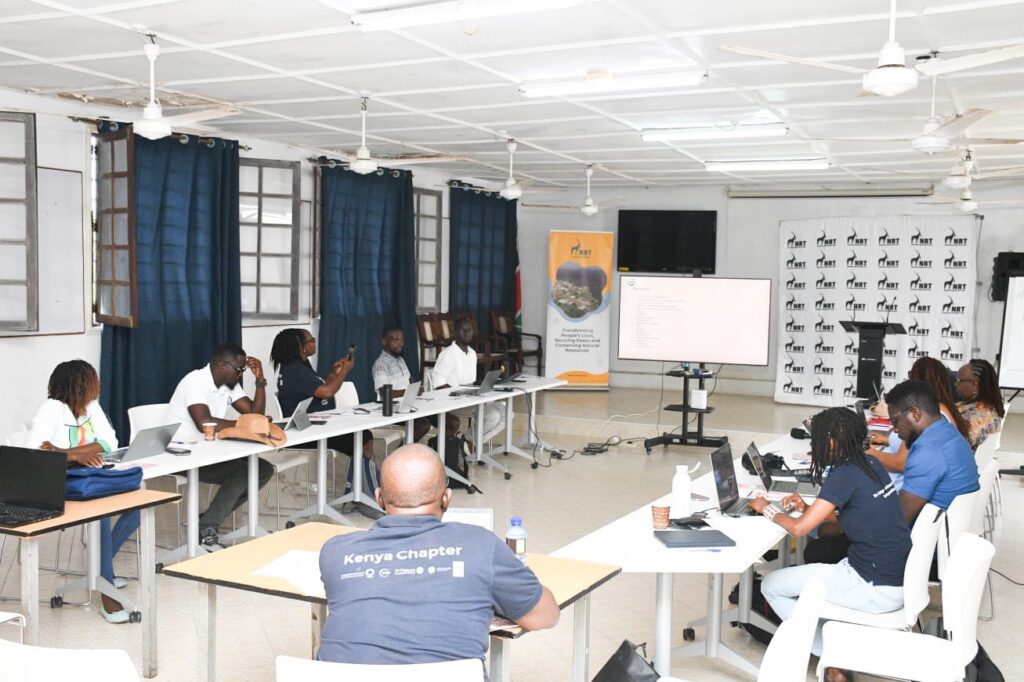
Together, these engagements provided an opportunity to celebrate Kenya’s remarkable mangrove ecosystems, strengthen partnerships and reflect on the progress made, the challenges that remain and the collective action needed to secure their future.
Mangroves may occupy a narrow strip between land and sea, but their contribution extends far beyond the coastline. They protect communities from coastal erosion and storm surges, provide nursery grounds for fish and other marine life, store significant amounts of carbon, improve water quality and support livelihoods through fisheries, tourism and other nature-based enterprises. For many coastal communities, healthy mangrove ecosystems are inseparable from economic wellbeing, food security and resilience to climate change.
As Kenya continues to build momentum around mangrove conservation, the Kenya Mangrove Breakthrough Country Proposition represents an important step towards scaling action. Spearheaded by local partners and the Global Mangrove Alliance, it serves as a strategic national investment plan designed to mobilise blended public and private financing, halt mangrove loss and scale up coastal restoration. By providing a shared framework for investment, partnership and locally led action, the proposition reflects a growing recognition that securing the future of Kenya’s mangroves requires coordinated action across sectors.
For Wetlands International Eastern Africa, these conversations reflect work that continues every day across the region. Through the Mangrove Champions Initiative, we are strengthening the capacity of mangrove restoration practitioners through peer learning, knowledge exchange and practical field experience. By connecting practitioners, communities and partners, the initiative is helping build a growing network committed to restoring and safeguarding mangrove ecosystems across Kenya.
The week also reinforced the importance of collective action. During the Global Mangrove Alliance Kenya Chapter Quarter 2 Meeting, members reviewed progress across the Chapter’s five strategic pillars, shared updates from ongoing initiatives and aligned priorities for the remainder of the year. As a national platform that brings together non-state actors working in mangrove conservation and restoration, the Chapter continues to strengthen coordination, collaboration and collective impact in support of Kenya’s National Mangrove Ecosystem Management Plan and the global Mangrove Breakthrough ambition.
A slideshow with 6 images
The slider is set to loop infinitely.
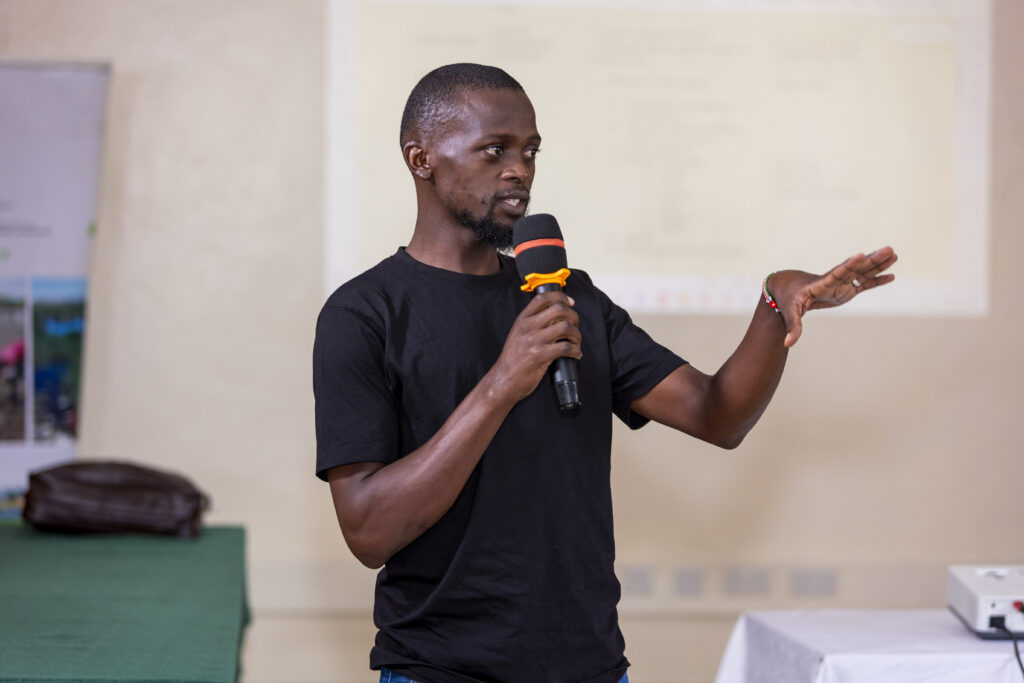
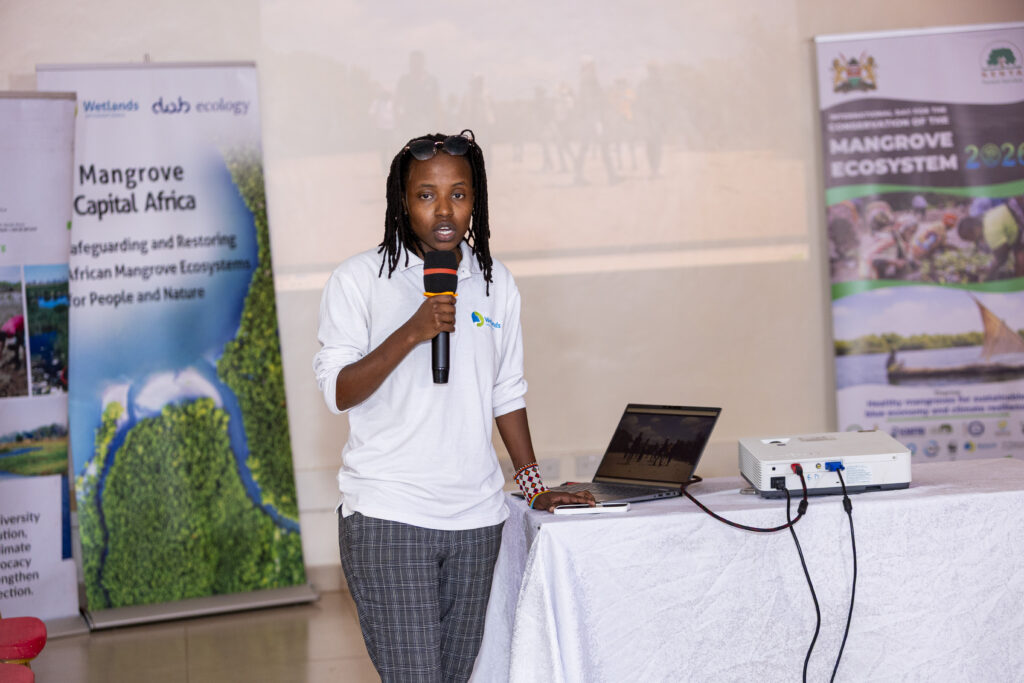
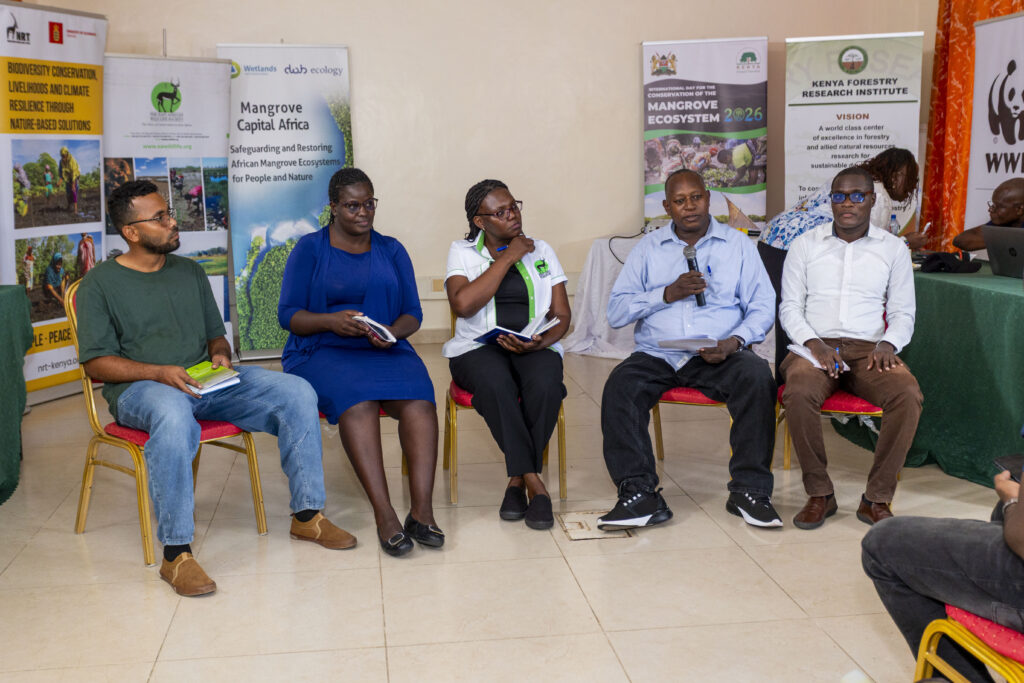

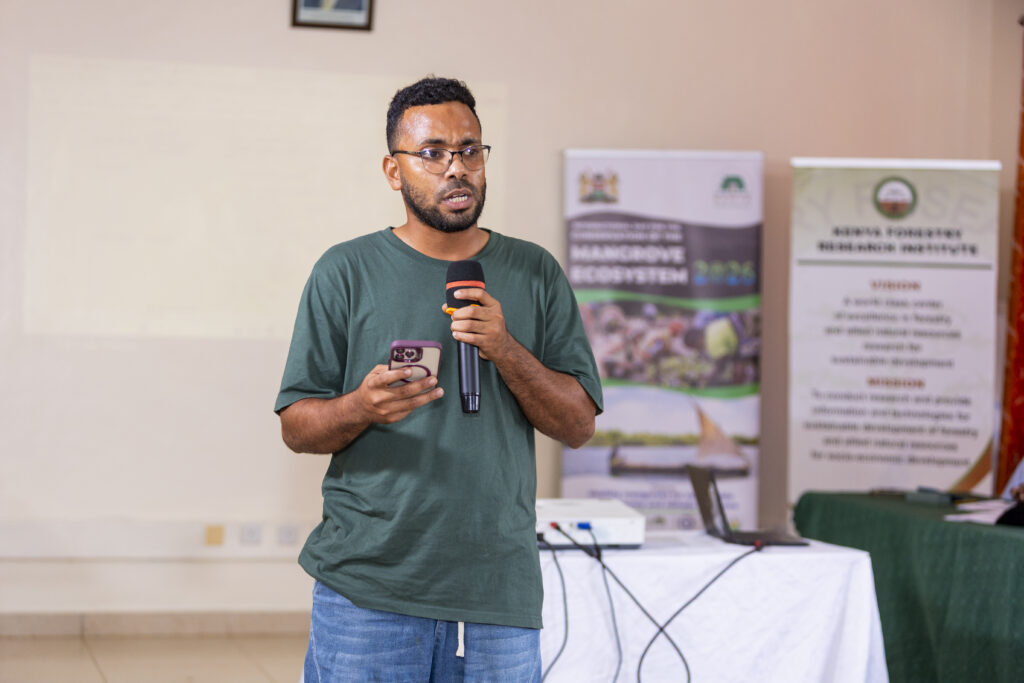
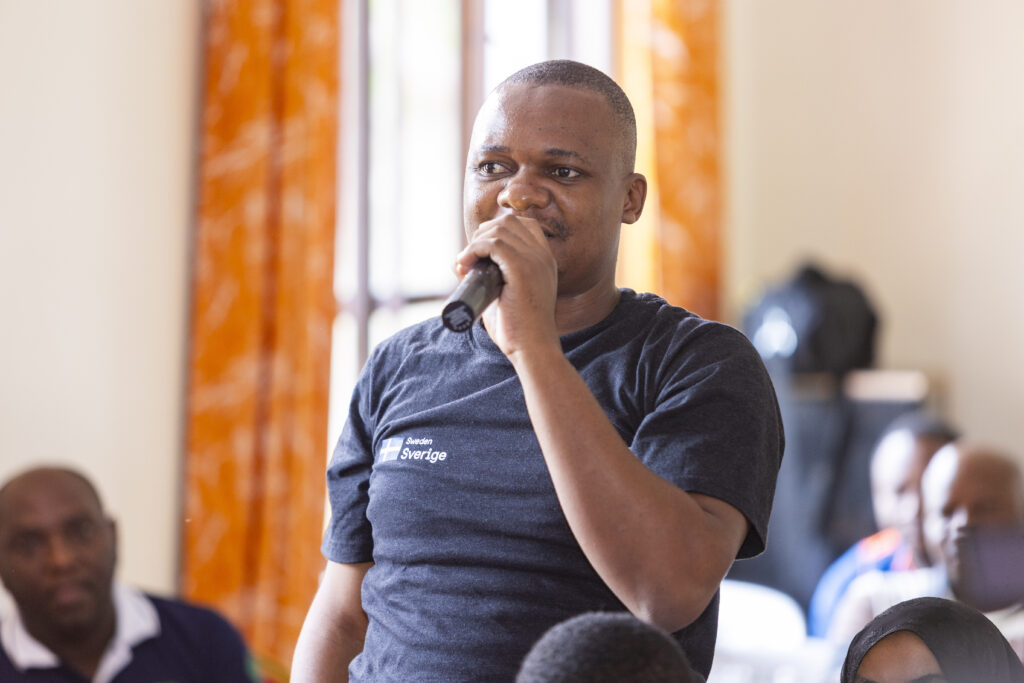
The celebrations in Lamu served as a reminder that protecting mangroves is about more than conserving trees along the coastline. It is about safeguarding biodiversity, sustaining livelihoods, strengthening climate resilience and securing a future where people and nature can thrive together.
As the celebrations came to a close, one message stood out above all others: conserving mangroves is not the responsibility of one organisation or one sector. It requires governments, communities, researchers, development partners and the private sector working together with a shared purpose.
The calm waters we experienced in Lamu were a reminder of something profound. When mangroves thrive, they quietly protect coastlines, support biodiversity, sustain livelihoods and strengthen resilience for generations to come. Ensuring that future generations experience the same lesson will depend on the choices we make today.
A slideshow with 4 images
The slider is set to loop infinitely.