

Global Mangrove Alliance Kenya Chapter Donor Roundtable.
Kenya has established strong policy frameworks for biodiversity conservation, climate action and ecosystem restoration. Yet translating these commitments into action continues to face a significant challenge: financing.
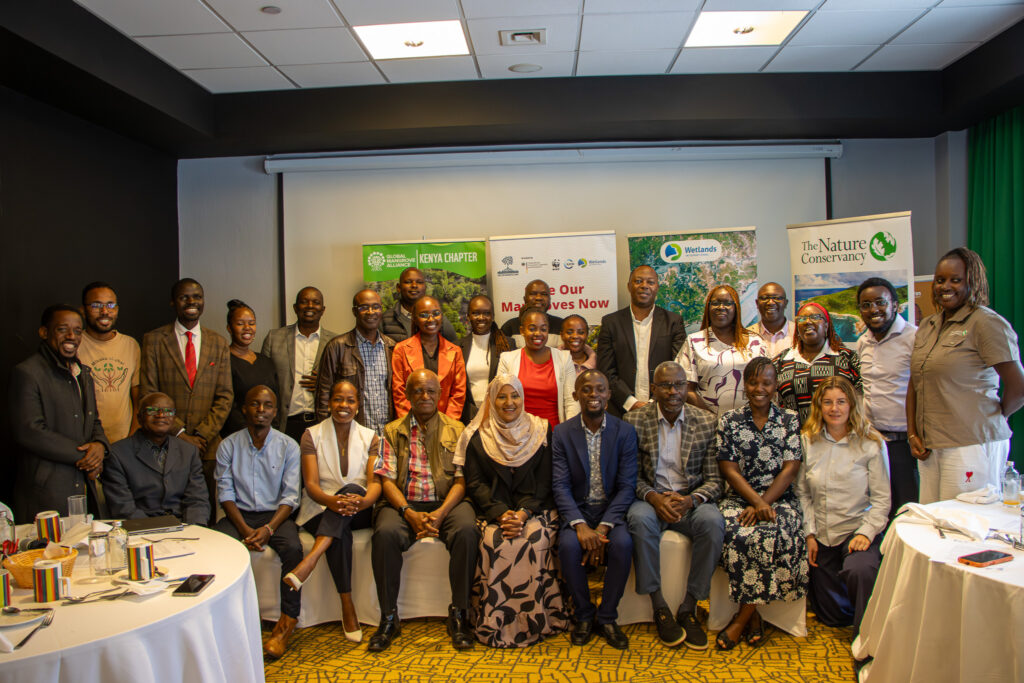
This was at the centre of the Global Mangrove Alliance (GMA) Kenya Chapter Donor Roundtable on Bankable Biodiversity, Climate, and Livelihood Propositions in Terrestrial and Coastal Ecosystems. The roundtable brought together government, bilateral and multilateral partners, conservation organisations, private-sector actors, media and community representatives to explore investment-ready solutions for mangrove restoration, biodiversity conservation, climate resilience and sustainable livelihoods in Kenya.
Opening the discussions, Francis Okalo from the International Union for Conservation of Nature (IUCN) outlined the purpose of the roundtable: to bring stakeholders together, present bankable propositions developed collaboratively across terrestrial and marine ecosystems, and highlight community voices from Amboseli and mangrove landscapes. He also noted that the GMA Kenya Chapter now has 17 members, reflecting the growing network working together on mangrove conservation.
From strong policies to practical investmentKenya’s diverse ecosystems are supported by a range of national policies and commitments. However, participants noted that implementation continues to be slowed by financing gaps.
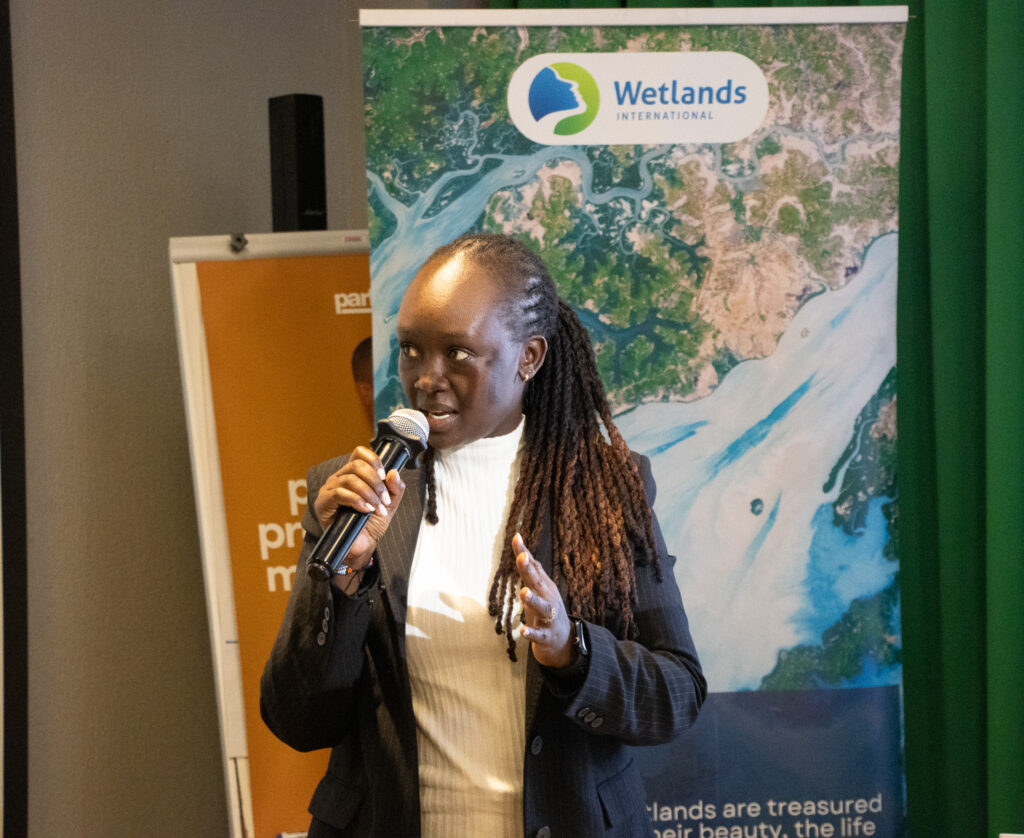
Maiyani Sainu from the State Department of Environment and Climate Change emphasised the need for stronger collaboration, catalytic financing and sustainable finance expertise, alongside greater understanding of the economic value of biodiversity. She highlighted the importance of aligning investment with national frameworks, including the National Biodiversity Strategy and Action Plan (NBSAP), Land Degradation Neutrality (LDN) and Nationally Determined Contributions (NDCs).
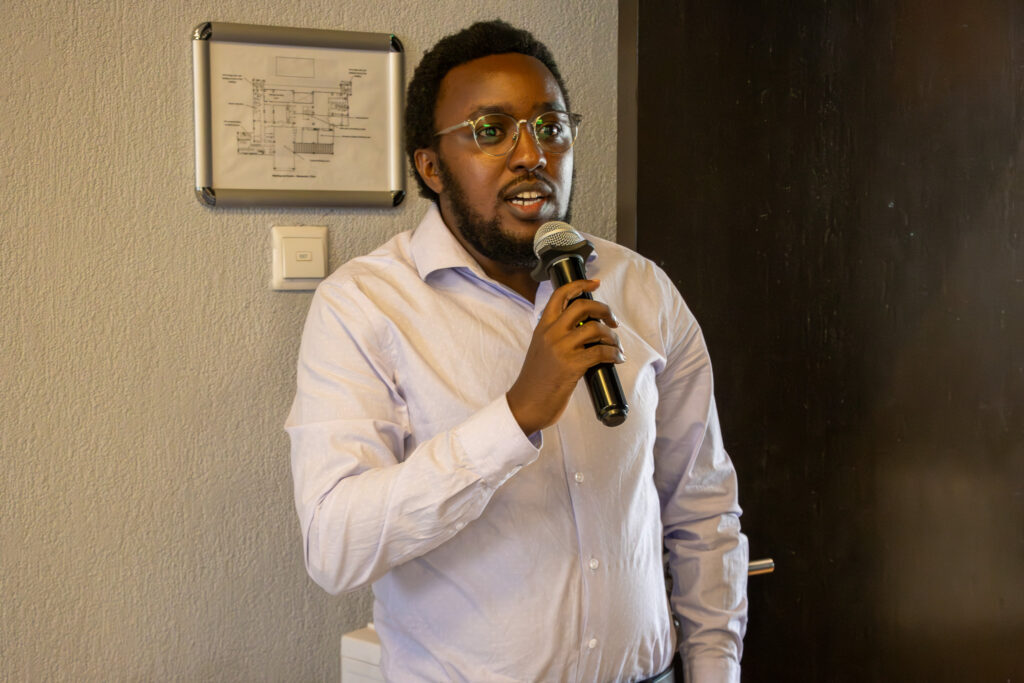
The Kenya Forest Service also highlighted the importance of developing investment opportunities that connect forest conservation with livelihoods and biodiversity. Nasib Mwamutsi reaffirmed KFS’s mandate to protect forests and welcomed partner support in advancing bankable opportunities for mangrove conservation.
Making mangrove conservation investable
A key focus of the roundtable was how conservation priorities can be translated into propositions capable of attracting investment.The Mangrove Breakthrough proposition highlighted the global ambition to mobilise USD 4 billion for mangrove conservation and restoration, with Kenya’s role in advancing restoration while delivering climate and livelihood benefits.
Participants also explored the potential of catalytic partnerships, blended finance and innovative financing mechanisms to help address the gap between the scale of conservation needs and available resources.For mangroves, this means creating investment approaches that recognise the multiple benefits these ecosystems provide—from supporting biodiversity and climate resilience to sustaining coastal livelihoods.
Strengthening collaboration
Presentations from IUCN, Conservation International, The Nature Conservancy, Wetlands International Eastern Africa, WWF-Kenya and the NBSAP Accelerator Partnership highlighted work across terrestrial and marine ecosystems.
While partners bring different areas of expertise and experience, discussions emphasised the need to strengthen synergies and reduce duplication. This is particularly important in coastal conservation, where better coordination can help align efforts and make more effective use of available resources.Scientific contributions also highlighted the importance of integrating Western Indian Ocean ecosystem connectivity data and strengthening monitoring frameworks to support evidence-based conservation and investment.
Keeping communities at the centre
The roundtable also emphasised that investment in nature must consider the people who depend on these ecosystems.Community voices from Amboseli and mangrove landscapes formed part of the discussions, while participants highlighted the importance of community ownership and equitable benefit sharing in developing conservation investments.
Donors also emphasised the need for future financing opportunities to incorporate Gender Equality, Disability and Social Inclusion (GEDSI) and community-driven approaches.Discussions around carbon-credit governance and regulatory clarity further highlighted the importance of developing financing mechanisms that can deliver credible environmental outcomes while supporting communities.
From dialogue to action
The roundtable concluded with a focus on strengthening connections and turning the discussions into practical collaboration.
Participants were encouraged to seek linkages with stakeholders represented at the meeting, while Wetlands International Eastern Africa will coordinate follow-up engagements based on expressions of interest.
The meeting reaffirmed a shared commitment to deepening collaboration, aligning bankable propositions with Kenya’s national priorities and pursuing catalytic financing opportunities.For the GMA Kenya Chapter, the roundtable provided an important platform to connect policy, conservation expertise, finance and community perspectives around a common objective: creating stronger pathways for investment in nature.The next step is to build on these connections and turn promising propositions into partnerships and financing that can support ecosystem restoration, climate resilience, biodiversity conservation and sustainable livelihoods in Kenya.