
Shifting Perception of Mangrove Restoration through CBEMR.
-
Coastal resilience
-
Community resilience
Learning is not just about adding knowledge, its reshaping the way we see the world.Sometimes,a new approach is all it takes to see the old ecosystems in a whole new light. The state of mangrove in Kenya for the longest time has been neglected, their vital role in the coastal ecosystems and community livelihoods largely unnoticed. Despite their deep value to both nature and people, these critical assets continue to face a threats an issues that bridges communities and ecosystems.
Along the coast region in Kenya, Mangrove are very critical and pivotal to how communities depend on them for livelihoods and protection. In the past few years Wetlands International Eastern Africa and other partners have been at the forefront in shaping the narrative when it comes to conservation and restoration.
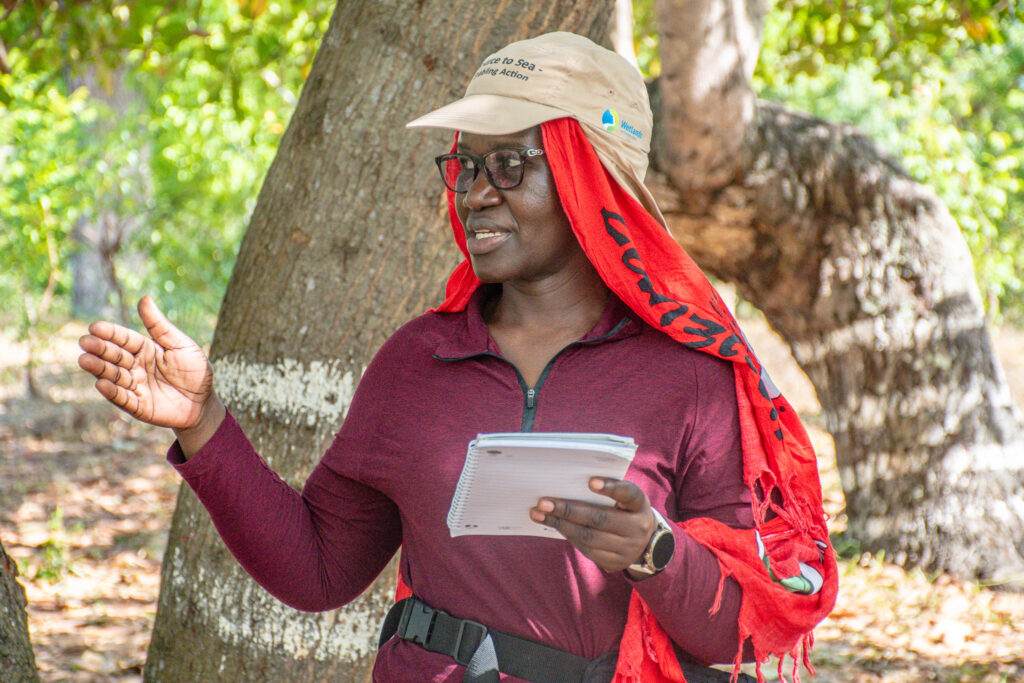
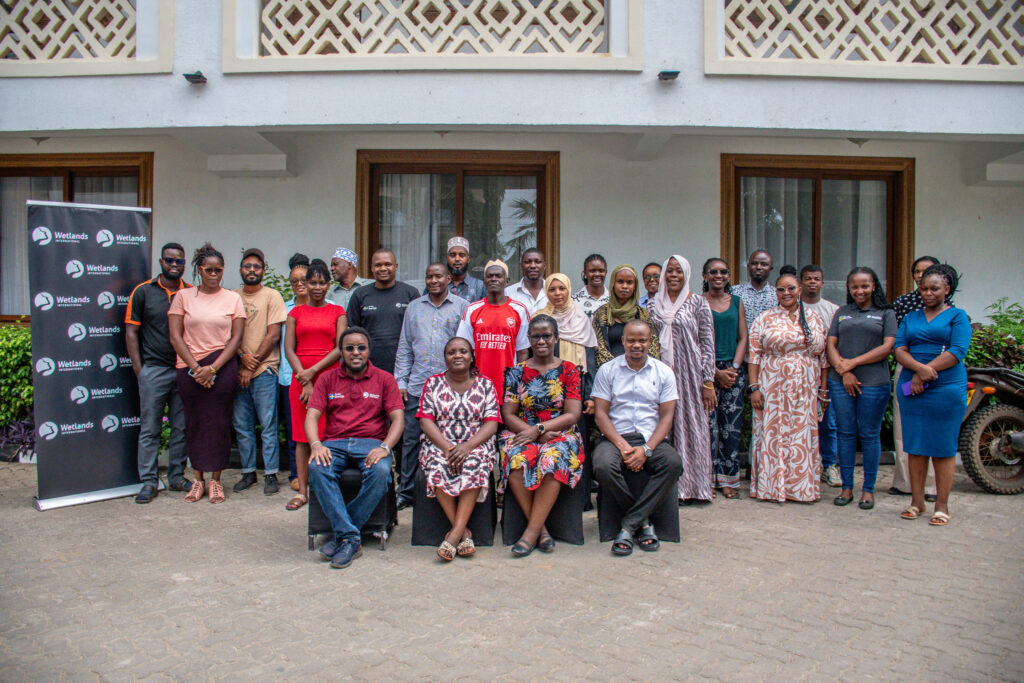
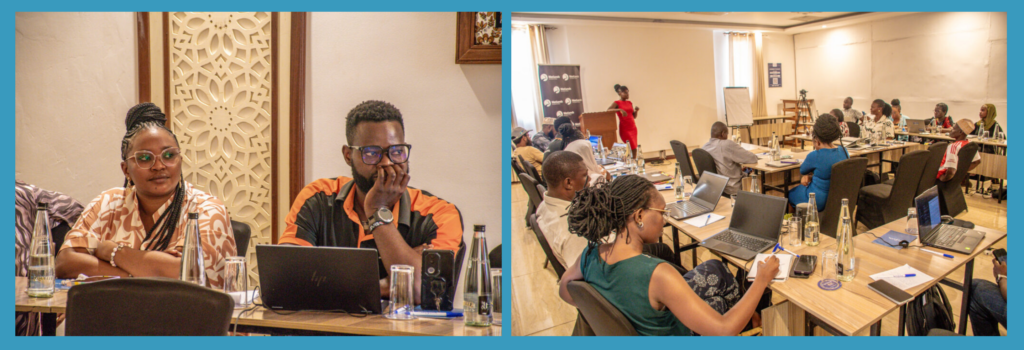
Wetlands International Eastern Africa, convened a three day Community Based Ecological Mangrove Restoration (CBEMR) training in Diani, Kwale, bringing together civil society organisations, community representatives, conservation practitioners, and mangrove champions from across Kenya’s coastal counties.
This training aimed to strengthen the technical, ecological, and institutional capacity of stakeholders to implement mangrove restoration using the CBEMR approach, a science based and community centered method that prioritizes restoring natural ecological processes, particularly hydrology, to support sustainable mangrove recovery. Unlike conventional planting focused restoration, CBEMR emphasises ecosystem understanding, natural regeneration, and community stewardship as the foundation for long term restoration success.
The sessions brought together expertise from Kenya Marine and Fisheries Research Institute (KMFRI), Kenya Forest Research Institute (KEFRI), (KFS), and World Worldlife Fund (WWF- Kenya), alongside community members whose knowledge and stewardship remain essential to the success of this approach. Through classroom learning, field based practical sessions, and experience sharing, the training is strengthening collaboration, building local capacity, and advancing collective efforts to support effective mangrove conservation and restoration along the Kenyan coast.
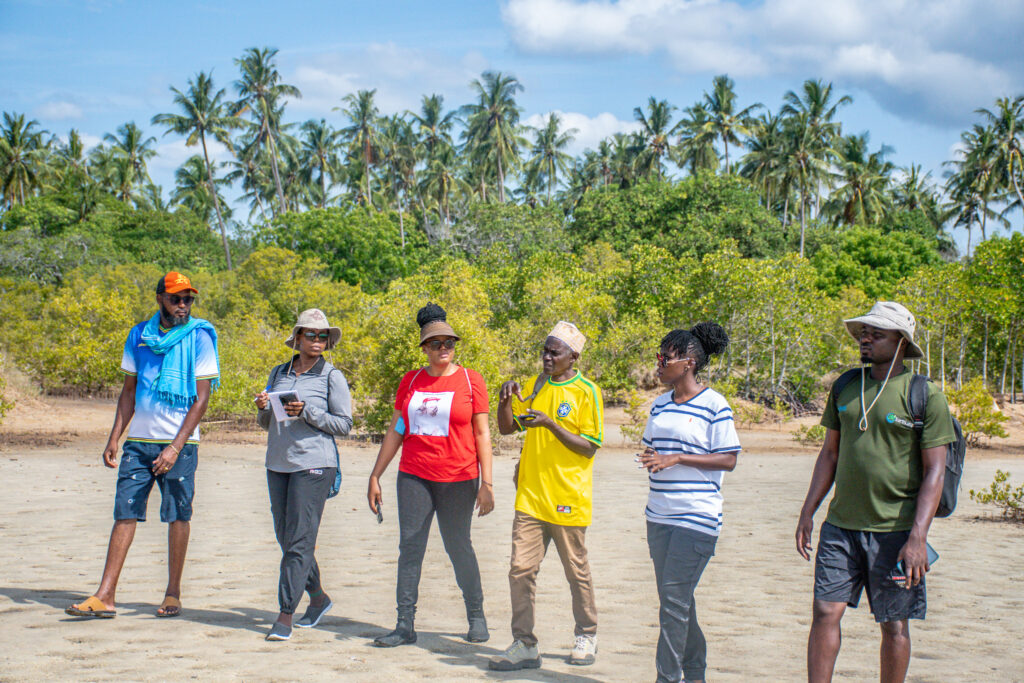
Through the application of a classroom-to-field approach, participants visited Makongeni, Gaza in Kwale County, where they applied key CBEMR principles, including
• Assessing hydrological flow before intervention
• Understanding natural regeneration patterns
• Identifying appropriate restoration sites
• Recognising when not to plant
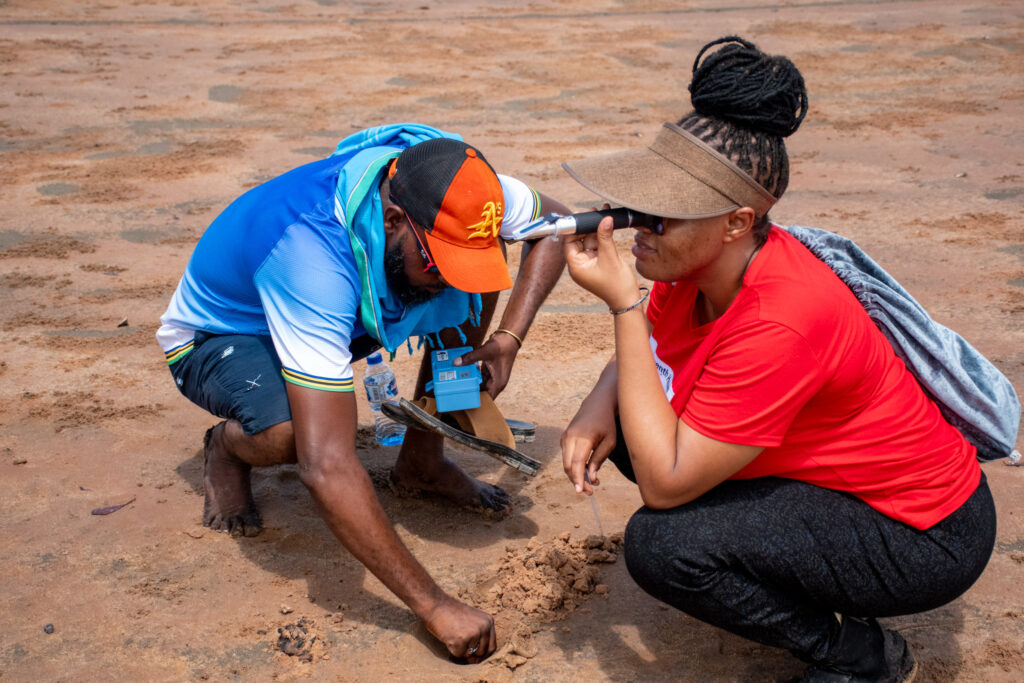
The training also covered other tools like GIS basics, mobile GIS, use of maps and use refractometers when it comes to the testing salinity in mangrove waters. The classroom -field experience reinforced that effective mangrove restoration requires ecological assessment, community stewardship, and long-term commitment — not short-term planting drives in order for CBEMR to be effective.
As challenges evolve, so must our solutions be including the human approach in addressing the issues facing mangroves. The community based Ecological Mangrove Restoration (CBEMR) approach is bridging critical gaps in restoration efforts while reshaping community by perceptions, by valuing and integrating local knowledge,CBEMR recognises that sustainable restoration is not only ecological work-it is collective work.
Dr Judith Okello, a principal Research scientist at the Kenya Marine and Fisheries Research Institute (KMFRI), who is also the Chair of the National Mangrove Management Committee reiterates that CBMER is important because it helps bring people on the table and shift the focus towards the underlying drivers of mangrove degradation rather than merely treating systems.